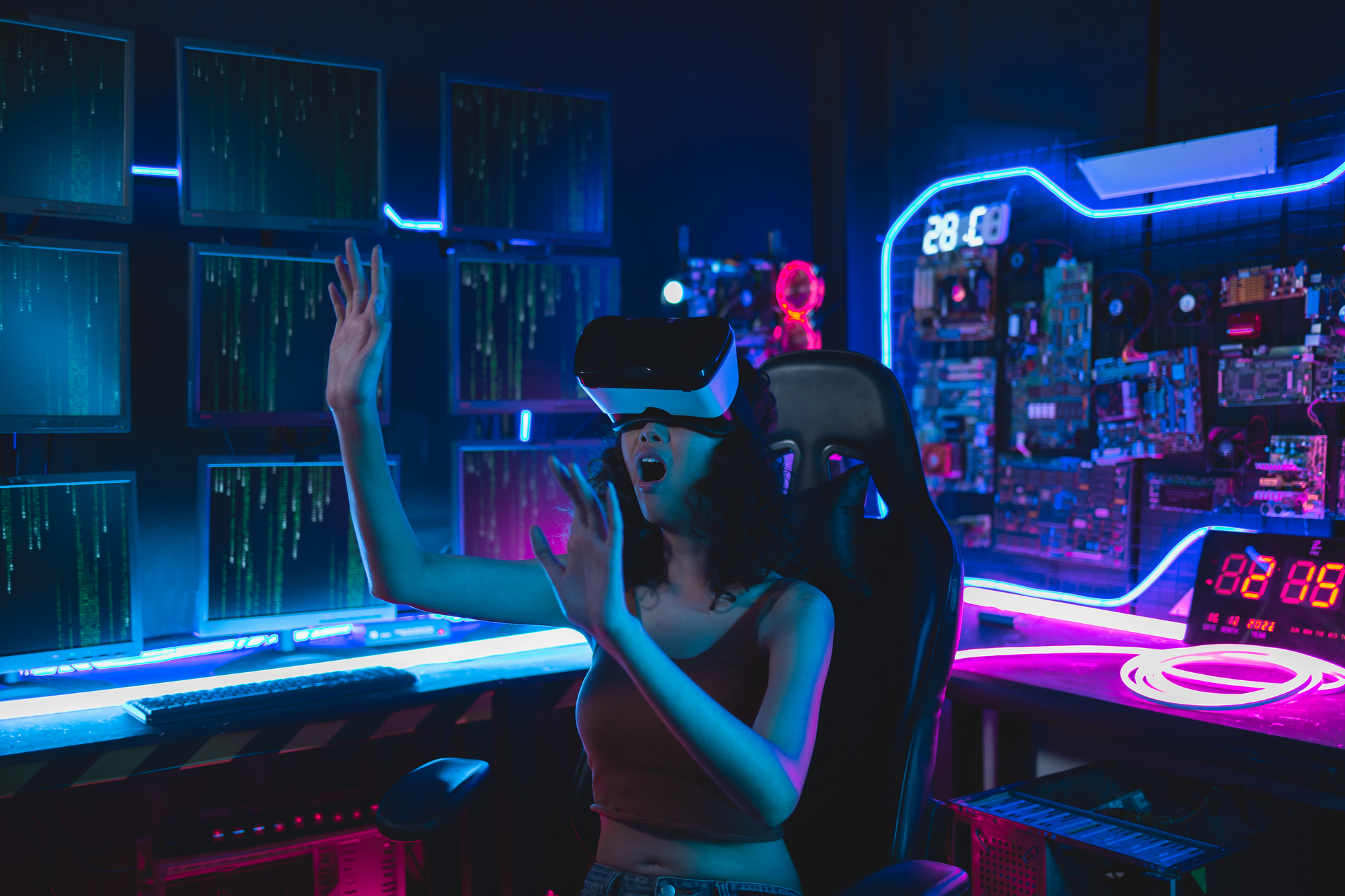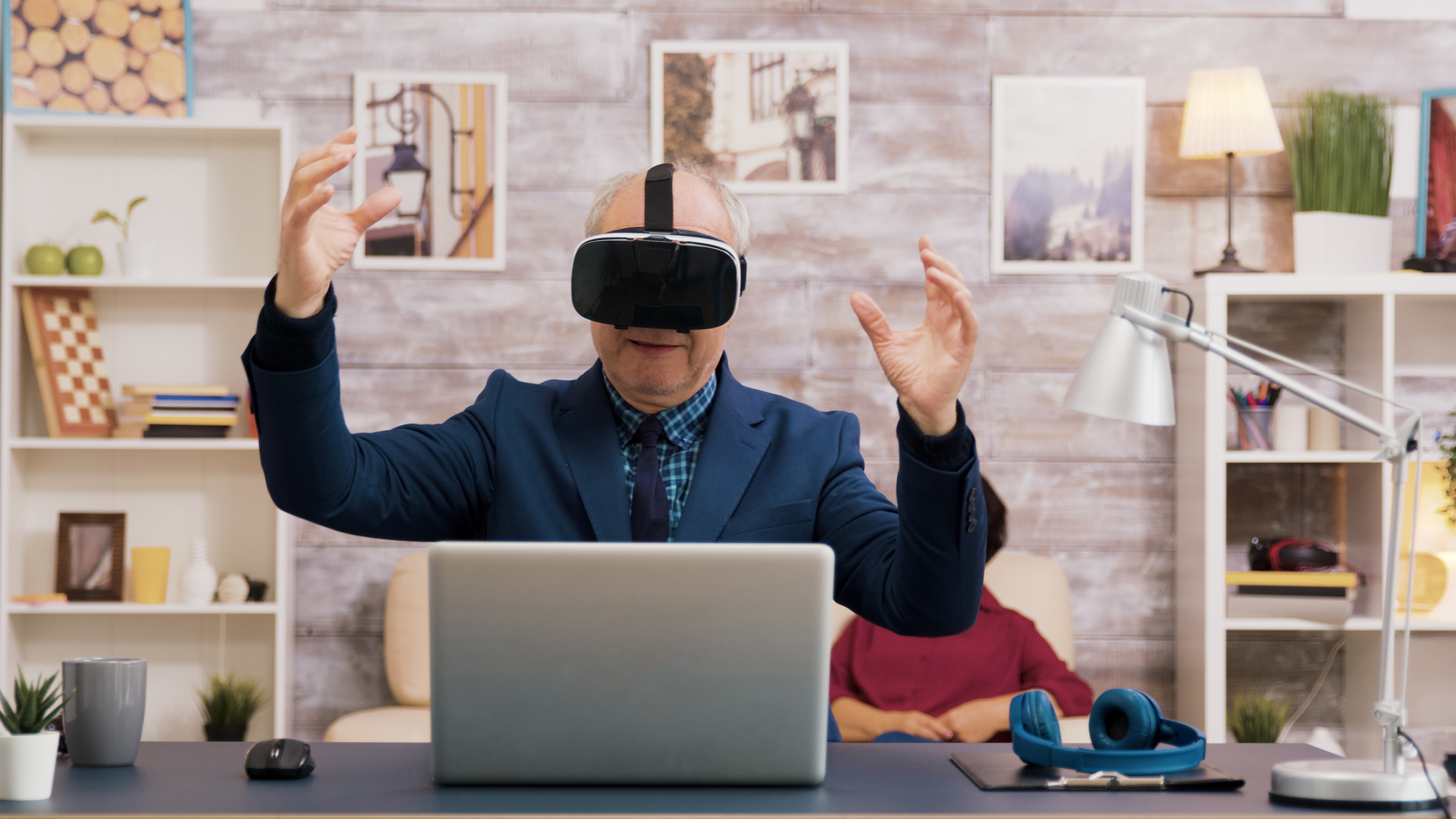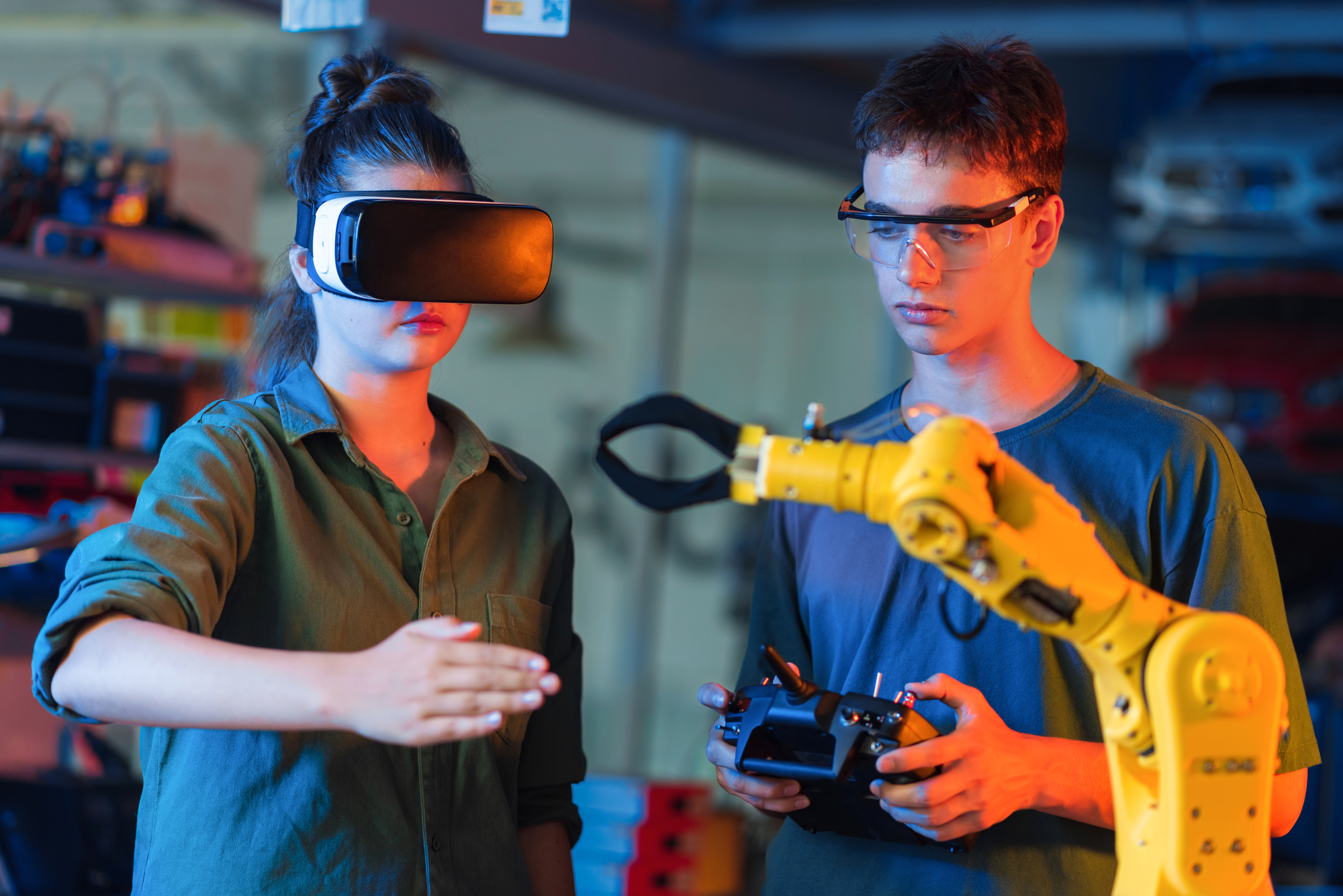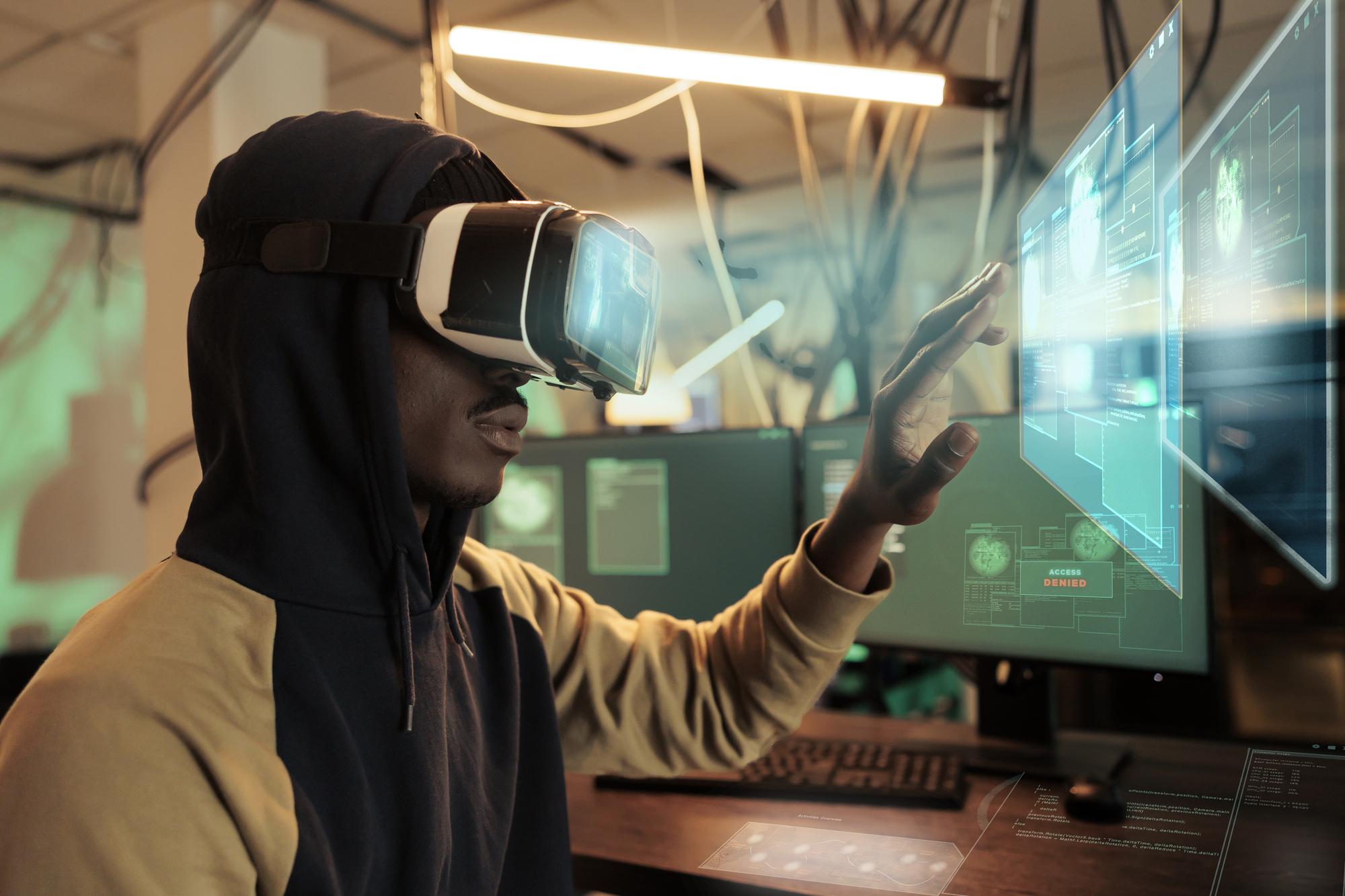
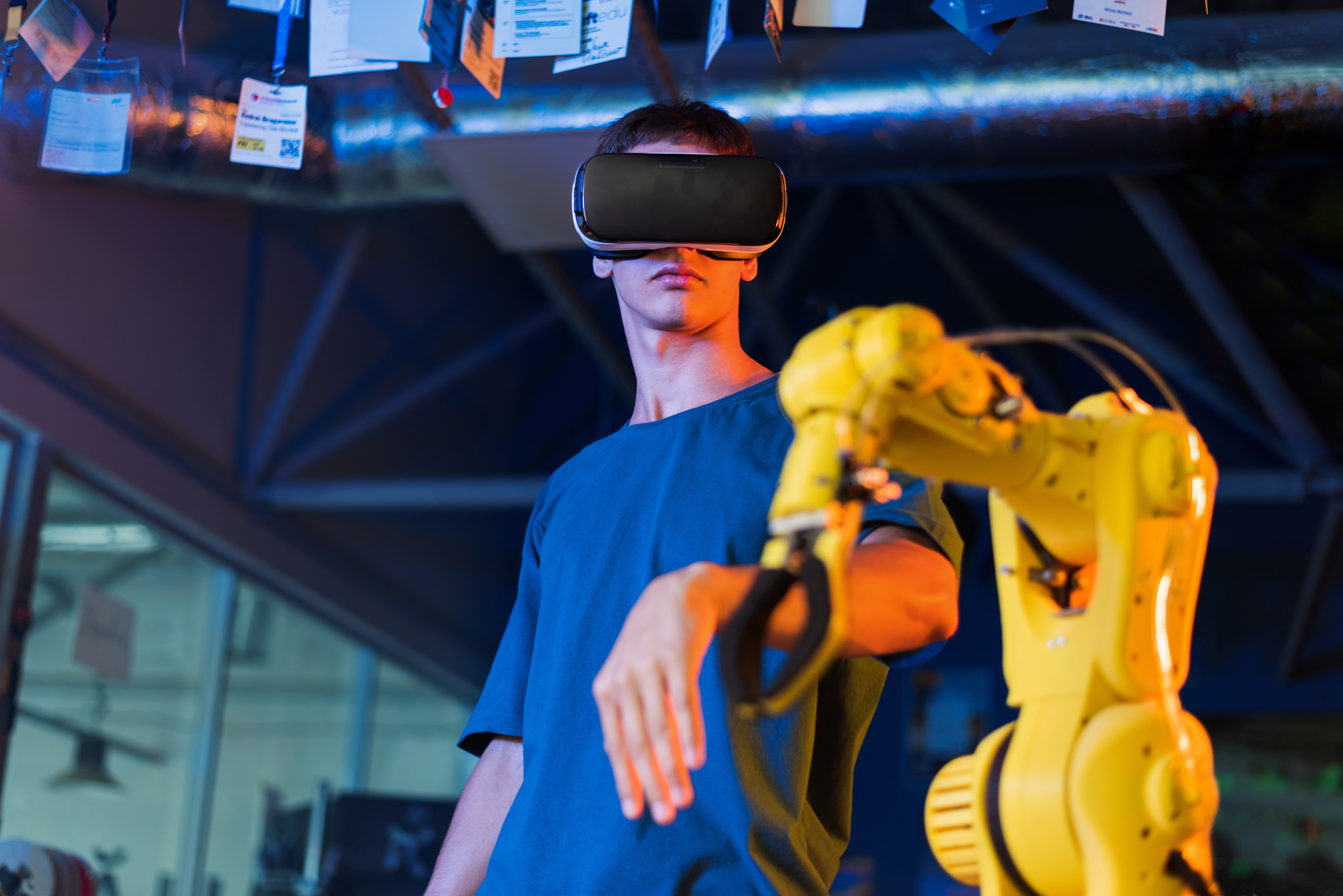
Virtual reality is not a trend but the core element that we see in what experts are terming as “future factories.” Over the next ten years industrial VR in manufacturing will transform how we build, maintain, and innovate; also, it will put out early info on predictive maintenance, robotics, and AI integration.
VR is to change factories into smart adaptive ecosystems. Companies like XRINK are at the head of the pack; they are putting out custom solutions for industrial use. As trends like Industry 4.0 and sustainable manufacturing grow in popularity, we will look at how this tech will restructure the industrial field.
The Growth of Immersive Tech in Smart Factories
Imagine a virtual tour of a factory from the comfort of your desk; that is what we present to you in Immersive Industry XR. We have put together a platform that is Extended Reality (XR) based that includes elements of VR and Augmented Reality to bring to life realistic models of manufacturing settings.
In the coming years we see factories adopt Immersive Industry XR for the design and testing of production processes in a virtual setting, which in turn will reduce waste and speed up time to market.
Digital Twins
One outstanding trend is the movement toward digital twins, which are virtual representations of physical assets. We see companies using XR to monitor equipment in real time, which in turn they use to identify issues before they grow.
This is not to say it is only for visualization; we see in it the growth of resilient systems that are put in place to deal with global issues like supply chain disruptions and labor shortages. As we progress further into Industry 4.0, Immersive Industry XR will become a requirement for companies that wish to do well in sustainable factories.
Transforming Predictive Maintenance with Virtual Plant Walkthroughs
Downtime is a productivity killer, which reports say costs industries billions each year. To that end we have predictive maintenance, which is being transformed by VR. In the factory of the future, techs will do virtual plant walkthroughs, which do away with downtime.
These immersive tours, which feature digital models of the plant floor and real-time
Data from sensors and IoT devices will allow users to identify issues before they become major problems.
Picture this:
- A maintenance engineer puts on a VR headset and steps into a virtual plant, which they navigate.
- At one point, I got a close look at a worn-out conveyor belt.
- AI algorithms predict failures, which in turn set off alarms for proactive repair work.
This is a forward-thinking model we see in smart manufacturing. In the auto and aerospace sectors, virtual plant tours will see a 30% cost drop in some cases, which also brings a green element, as we will see a reduction in the environmental impact caused by replacement parts.
AI Integration: VR Which Powers the Factories
The role of AI is evident in every discussion about the future of the factory world.
In the coming decade, AI will work in VR simulations to predict results like never before.
- In some cases, we see AI play a large role in virtual plant walkthroughs, which at the same time is also doing real-time
- identification of issues that, at the same time, bring forth solutions as we go.
- Also, in Industrial VR Training we note that AI tailors’ scenarios to each individual learner which in turn gives a more personalized experience for better performance.
- This all comes together in robotics where AI within VR has the role of the robot “learning” from human interaction and in that process increases their autonomy in dynamic settings.
Currently, as observed in Industry 4.0, the combination of AI and VR is a trend evident in the implementation of sustainable factories that excel at forecasting resource requirements and reducing emissions.
Overcoming Challenges and Embracing the Future
While there is enormous potential, we see that implementation of VR in manufacturing is not without its issues. The high initial costs and the challenge of developing robust infrastructure may cause larger companies to withdraw from the market.
However, as hardware prices decrease and more cloud-based options become available, access will increase. Also, key will be the upskilling of the workforce through industrial VR training
In the future factories will be centers of innovation that see the use of Immersive Industry XR to promote global cooperation. Teams worldwide will be able to participate in virtual plant tours to solve problems, which in turn will break down geographical barriers.
Verdict
VR is in fact redefining what we see in manufacturing; it is also the base for very resilient and efficient industries. We see companies that adopt predictive maintenance, robotics, and AI into their processes at the forefront of this XR transformation.
For details on state-of-the-art solutions, check out XRINK’s resources for industrial applications.
As we approach 2035, today’s factories will experience advancements driven by immersion, intelligence, and innovation. pt to stay ahead.