Factories these days value time. Every hour spent fixing, reprogramming, or realigning new machines on the factory floor costs more and slows down production. When you do things the old-fashioned way, you often have to deal with long waits, unexpected integration problems, and high-pressure fixes that throw off schedules and cost more than planned.
Things are changing, though. VR virtual commissioning lets manufacturers find problems with machines before they even get to the factory. Companies can test performance, fix logic, and make layouts better by simulating equipment, systems, and workflows in real-world situations for weeks or even months before they are installed.
At XRINK, we don’t just see this as a way to make technology better; we also see it as a way for businesses to get ahead by cutting downtime, making things safer, and speeding up production.
What Does “Virtual Commissioning” Stand For?
You can’t start commissioning a machine until it gets to the site. That means that the mechanical, electrical, and software teams often find problems and disagreements at the worst possible time: when they are installing something.
Virtual commissioning turns this process on its head.
Instead of waiting for real equipment, manufacturers make a virtual model of the machine or production line. This model runs on the following:
- 3D CAD data
- Logic of PLC
- Diagrams of electrical systems
- Algorithms for control and movement
- Real data from operations
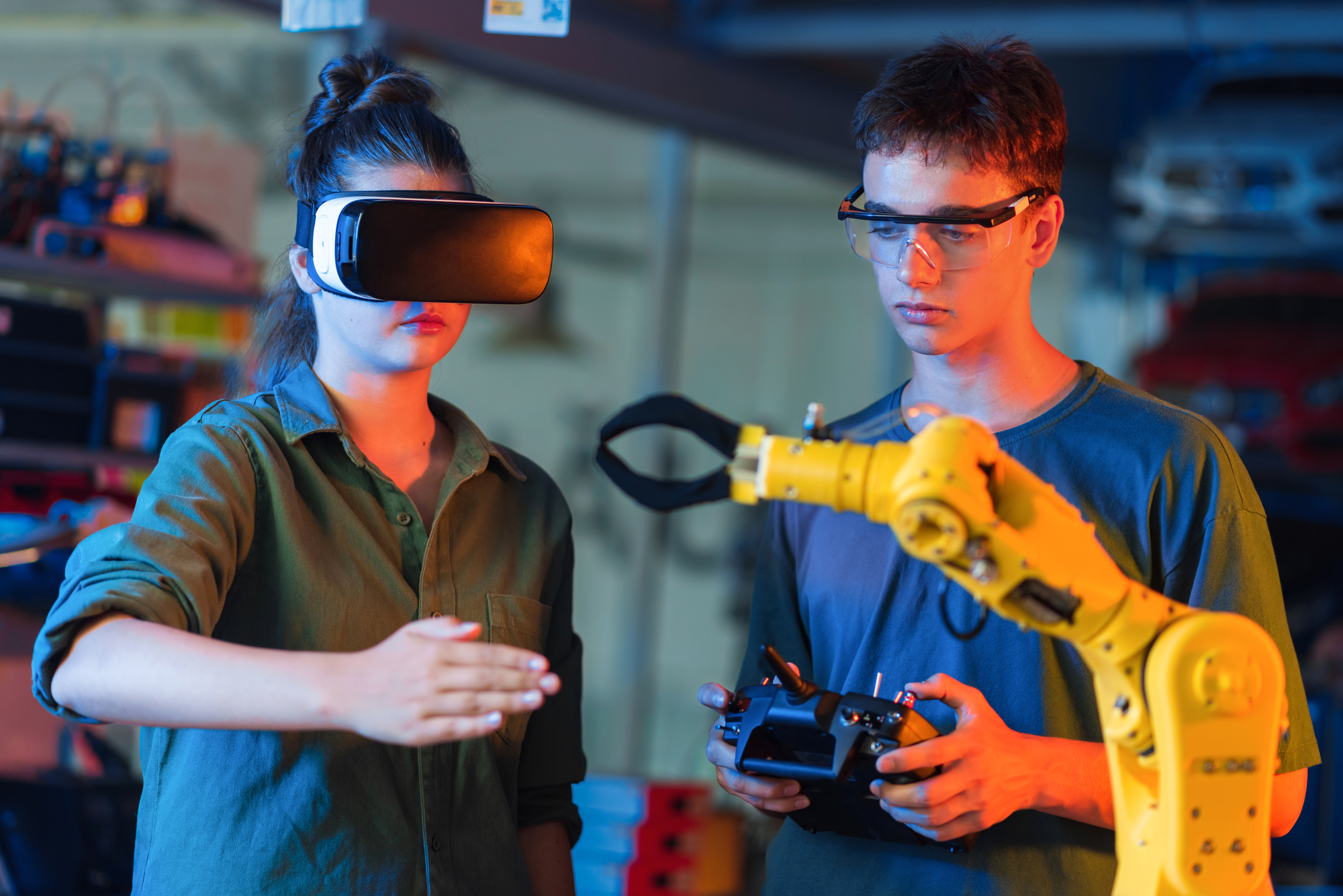
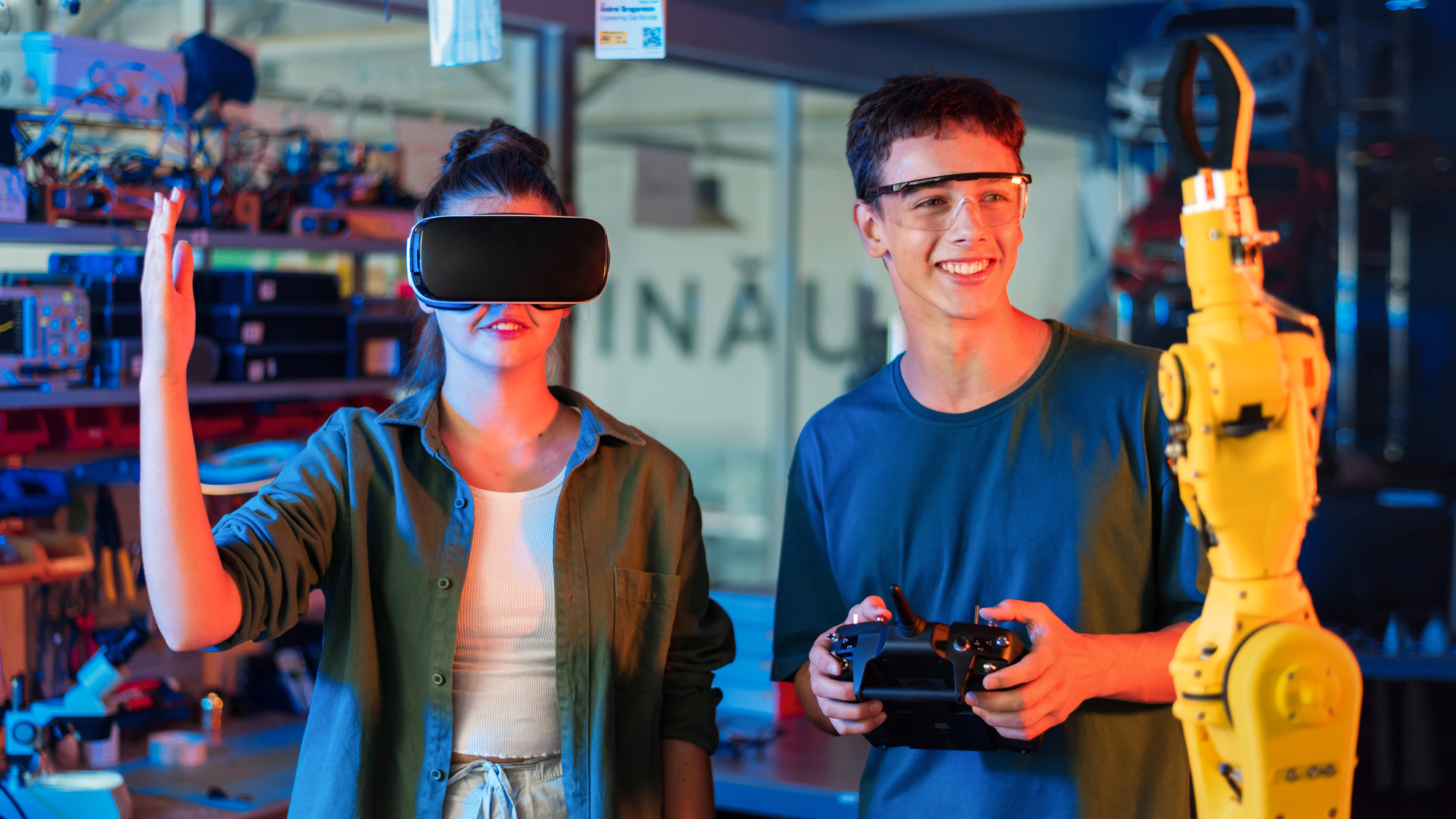
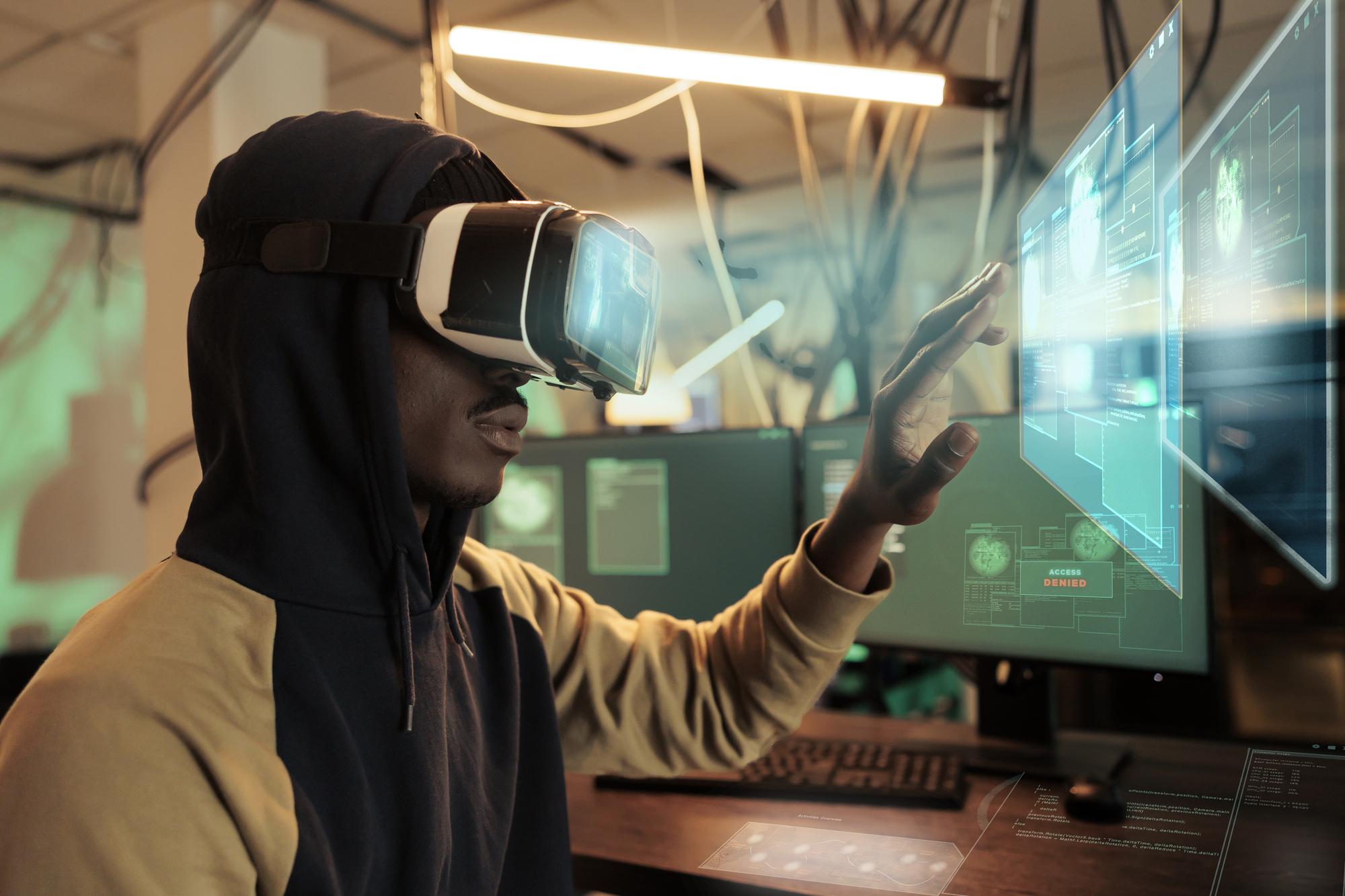
With VR, teams can go into this virtual system, interact with it, and see if it works the same way in real life.
This speeds up the process of getting things up and running, avoids costly surprises, and makes the switch from design to deployment go more smoothly. XRINK’s Immersive Industry XR lets teams from all over the world work together in the same virtual space. They can look over, test, and make systems better long before the real hardware shows up.
Benefits of Virtual Commissioning
Here are some benefits:
- Finding errors faster
- Less debugging on the job
- Not as much time to get started
- Installation is safer now
- Better communication between different areas of engineering
- Checking that workflows, mechanics, and electronics work
Validating Key Systems Before Installation
1. Checking Mechanics
VR simulations can be used by designers and mechanical engineers to test:
- Paths of movement
- Times of the cycle
- Clearances
- What the payload does
- The way machines work
- Ergonomics for workers
Instead of just using 2D drawings or desktop CAD models, they can look at full-scale environments and find problems right away.
2. Checking the Electricity
The teams that work on electrical and controls engineering can test:
- Function and logic blocks for PLCs
- Where and when to put sensors
- What the actuator does in response
- Interlocks and fail-safes
- Bringing together electrical and mechanical systems
In the virtual world, you can find and fix mistakes that would cause alarms to go off or delays on site.
3. Checking Workflow and Human Interactions
Operators and maintenance teams are getting involved earlier than they ever have before. VR helps them think about:
- What they plan to do with the machine
- Easy access and flow of materials
- Workflows for setting up, switching over, and keeping things running
- Comfort and ease of access at work
With XRINK, all of these tests can be done at the same time, and teams from different parts of the world can work on the same virtual model.
Collision Detection and Safety Simulation
1. Collision Detection
VR environments can figure out when two things hit each other by looking at:
- The paths that robot arms take
- Paths for tools
- Moving machines on more than one axis
- Interactions between conveyor belts
- The space between people and machines
Engineers can almost walk the production line and see exactly where things might go wrong:
- A robot could swing too close to a path that needs to be fixed.
- It might be hard to get to an emergency stop from a workstation.
- A lift table could hit a guard or something else.
2. Safety Simulation
VR lets teams test out safety rules like:
- Stops for emergencies
- Integrity of the interlock
- Following the rules for lockout/tagout (LOTO)
- Fire and other dangerous situations
- Ways to get out and get help
XRINK’s immersive safety simulations help industries check their safety systems, lower risks on site, and make sure they are following the rules long before commissioning day.
Real-World Use Cases
1. Automotive
A major car maker used VR to test a robotic welding cell.
Outcome:
- 40% less time needed for on-site commissioning
- No unexpected downtimes during startup
2. FMCG & Packaging
Outcome:
- Line balancing faster
- Flow of material is smoother
- Better throughput from the start
3. Pharmaceutical Cleanrooms
- Better operator movement planning
- Layout optimisation without contamination risks
4. Heavy Engineering
Outcome:
- Operations that are safer
- No conflicts in structure
- Less rework in building
VR + Digital Twins = Commissioning 2.0
5. Live Data Integration
VR simulations can get data from:
- Sensors for the Internet of Things
- PLC systems
- Networks for SCADA
- Logs for machines
6. Predictive Insights Using AI
AI algorithms can make predictions about:
- Possible failures
- Patterns of wear and tear
- Bottlenecks
- Risk of overheating or overloading
7. Remote Commissioning
Teams can:
- Join the same digital model
- Test systems together
- Approve changes
- Fix problems in real time
Last Thought
Traditional commissioning is expensive, takes a long time, and isn’t always reliable. VR virtual commissioning turns the process on its head, making things clear, predictable, and collaborative long before the machines get to the factory floor.
With XRINK’s virtual commissioning tools, manufacturers can reduce downtime, eliminate physical risks, accelerate installation, and get systems running smoothly from day one.
The result is simple:
Fewer surprises.
Lower costs.
Better performance.
And a future where factories go live with confidence, precision, and speed.