Maintenance is the heartbeat of every industrial operation. When equipment fails, production stops, costs rise, and safety risks multiply. But as machinery grows more advanced and skilled technicians become harder to find, industries face a new and pressing challenge: How do you keep operations running smoothly when expert support isn’t always available onsite?
This is where Virtual Reality (VR) — powered by platforms like XRINK — is stepping in as the new remote supervisor. VR allows technicians to receive real-time, over-the-shoulder guidance from specialists anywhere in the world, transforming maintenance workflows and helping teams solve problems faster, safer, and more accurately.
The Shortage of Technical Experts
Across manufacturing, energy, automotive, and industrial sectors, the global shortage of skilled maintenance professionals is growing. Plants today report:
- Fewer experienced technicians entering the workforce
- Aging experts retiring faster than replacements are trained
- Higher complexity in automation, PLC systems, and machinery
- Increased reliance on a small pool of specialists
- Longer wait times for onsite field service support
This shortage doesn’t just slow down repairs — it jeopardizes uptime, safety, and output.
With XRINK’s VR capabilities, one expert can guide multiple teams across different sites, bridging the skills gap instantly. VR makes expertise scalable.
Remote Guidance Using VR Interfaces
Traditional remote support methods — video calls or phone instructions — often fall short. Poor camera angles, unclear visuals, and miscommunication lead to delays and repeated troubleshooting.
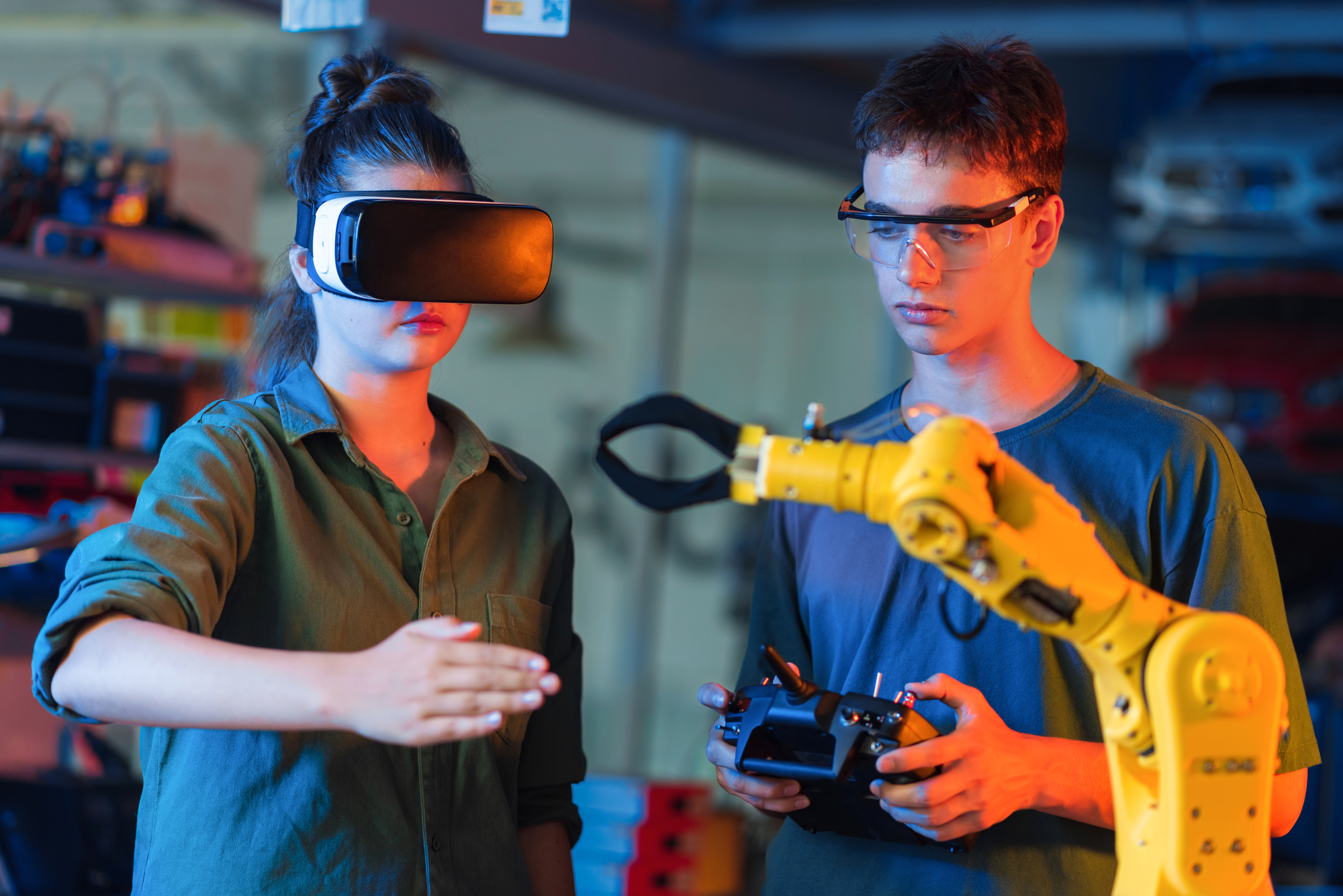
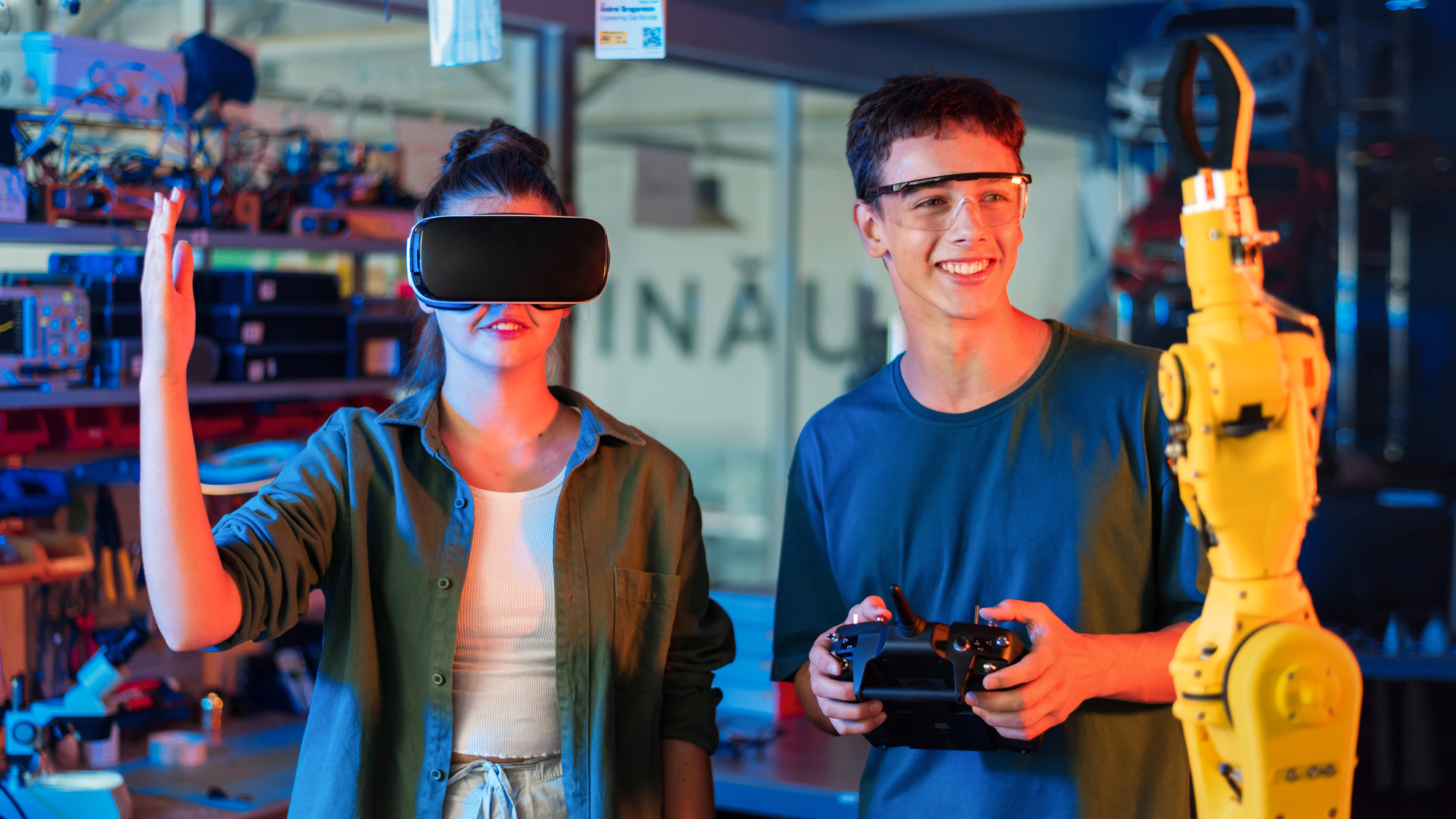
VR solves these issues by placing both the technician and the expert inside a shared immersive environment.
How VR-enabled remote guidance works with XRINK:
1. A Shared Virtual Workspace
Technicians enter a VR model of the equipment using XRINK’s immersive interface. Remote experts join the same environment, seeing exactly what the technician sees.
2. Real-Time 3D Annotations
Experts can mark components, draw instructions in space, and guide actions step-by-step.
3. Accurate Spatial Awareness
VR preserves scale, depth, and positioning — something 2D screens can’t replicate.
4. Hands-Free Workflow
Technicians receive instructions verbally or through overlays while keeping both hands free to work.
5. Multi-Expert Collaboration
Mechanical, electrical, and automation specialists can join the same session from anywhere in the world.
With XRINK, junior technicians perform tasks that once required senior-level guidance onsite.
VR becomes the virtual supervisor — reliable, accessible, and precise.
OEM Use Cases and Field Service Benefits
Original equipment manufacturers (OEMs) are among the earliest adopters of XRINK-powered VR support. The value is immediate and measurable.
1. Remote Commissioning of Machines
OEM teams guide customers through equipment setup, calibration, and validation — without traveling.
2. Faster Troubleshooting
When machines fail, VR allows OEM experts to diagnose issues quickly and walk onsite technicians through repairs.
3. Reduced Warranty and Service Costs
Fewer misdiagnoses and fewer emergency visits mean lower service contract expenses.
4. Customer Training in Virtual Environments
OEMs use XRINK to train operators on machine behavior, safety, maintenance, and troubleshooting — all inside an accurate digital twin.
5. Scalable Global Support
A single expert team can support dozens of facilities worldwide.
For field service organizations, the impact is transformative: Less travel, faster fixes, safer operations, and significantly reduced downtime.
First-Time Fix Improvements
One of the biggest challenges in industrial maintenance is achieving a high first-time fix rate. Many issues require multiple visits because teams discover new problems after arriving onsite.
VR dramatically improves success on the first attempt.
With XRINK, technicians receive:
- Clear, visual instructions
- Step-by-step guidance from remote specialists
- Real-time validations before executing tasks
- Early identification of required tools or spare parts
Organizations using VR support report:
- 30–60% improvement in first-time fix rates
- Fewer repeat service visits
- Faster time-to-resolution
- Significant reductions in lost production hours
Getting the job right the first time is no longer luck — VR makes it a repeatable process.
Integration with IoT and AR
VR becomes even more powerful when integrated with IoT sensors, AR interfaces, and digital twins.
1. IoT Data Visualization
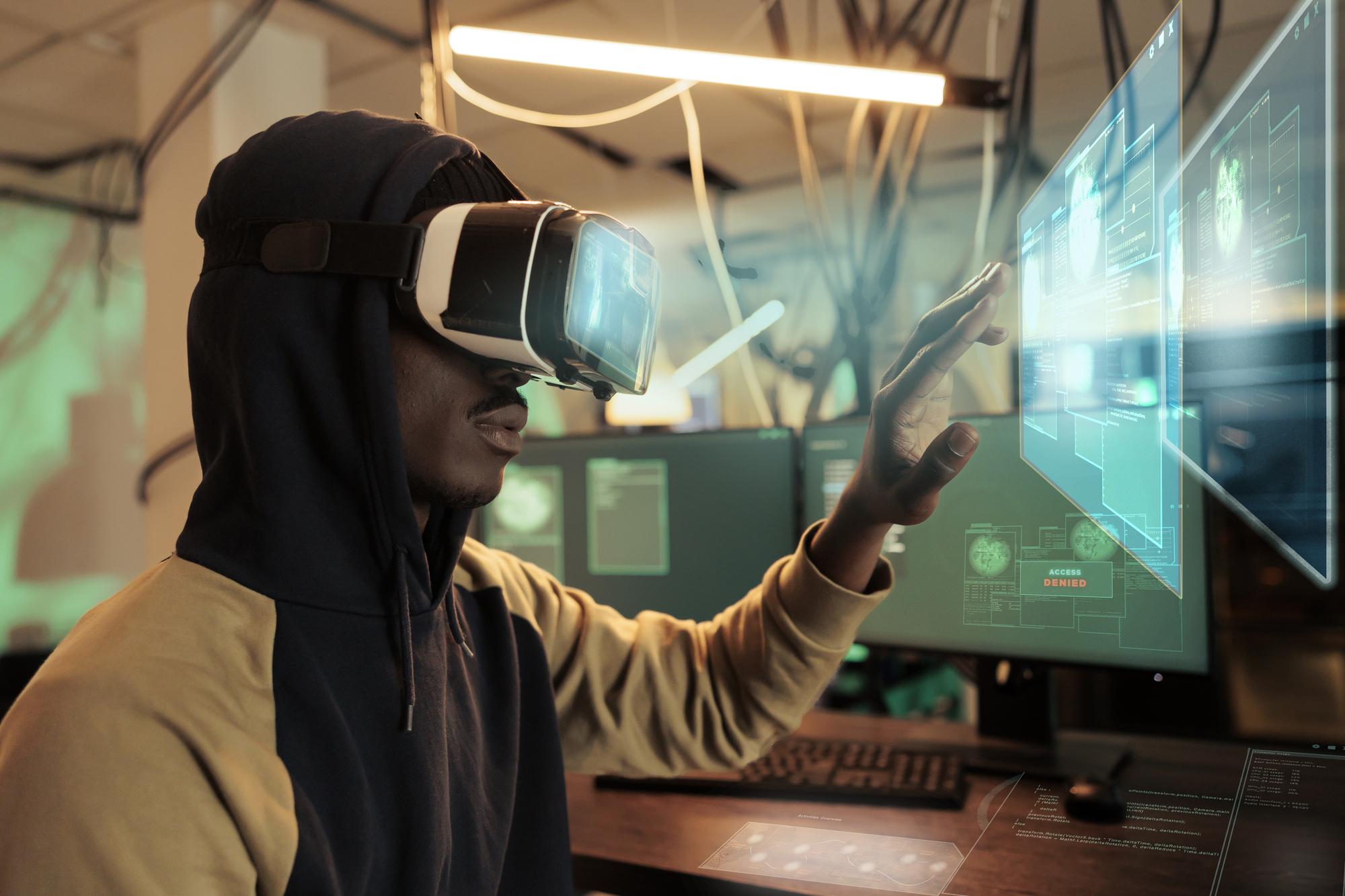
Live sensor readings — temperature, vibration, pressure, RPM — appear directly inside the VR environment.
Experts see the machine’s condition instantly, even before the repair begins.
2. AR for Onsite Technicians
While VR is ideal for immersive guidance, AR overlays support technicians during actual repairs:
- Step-by-step workflows projected onto the equipment
- Part identification and labeling
- Alerts on incorrect procedures
- Visual mapping of disassembly steps
3. Digital Twin Integration
With XRINK, a digital twin becomes a sandbox for testing:
- Simulate failures
- Recreate fault patterns
- Validate solutions virtually
- Predict equipment behavior
4. AI Intelligence Layer
AI analyzes sensor data to:
- Predict failures
- Recommend repair actions
- Highlight anomalies
- Generate VR training scenarios automatically
The combination of VR + AR + IoT creates a hybrid maintenance ecosystem — smarter, faster, and safer.
Final Thought: VR Is Redefining Industrial Expertise
VR is no longer a futuristic tool — it is a practical solution for today’s most pressing maintenance challenges.
With platforms like XRINK, organizations get:
- Access to expert support anytime, anywhere
- Faster repairs and higher equipment uptime
- Better-trained technicians
- Scalable service models for OEMs
- Data-driven insights for continuous improvement
VR becomes the new remote supervisor — always available, always consistent, always effective.
Industries that embrace VR-enabled remote expertise now will lead in efficiency, safety, and resilience tomorrow.