In industries with a lot of risk, being ready for an emergency is not an option; it’s a lifeline. A single mistake during a fire, a chemical spill, equipment failure, or an explosion can kill people and cost millions of dollars. Drills have been used in many industries for a long time, but today’s operations are more complicated, faster, and more connected than ever.
This needs something that is more advanced, can grow, and is more realistic.
Welcome to Emergency Response 4.0, where Virtual Reality (VR) turns dangerous training into safe, controlled, and very real learning experiences.
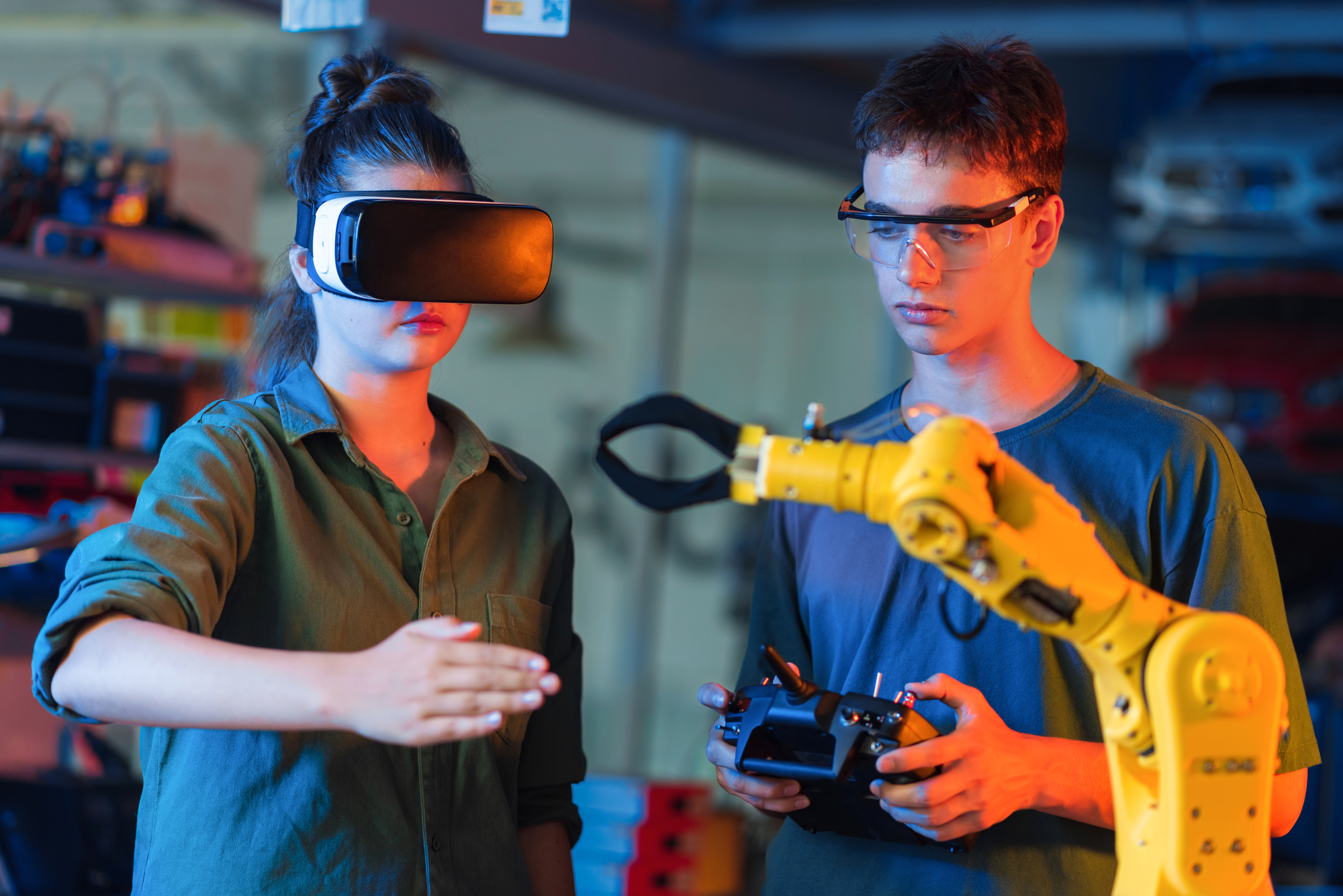
Virtual Reality lets industrial workers, first responders, and safety teams experience dangerous situations that would be too risky, costly, or hard to recreate in real life. Companies can get their teams ready for anything by putting them in virtual environments that look and feel like real-life emergencies.
The Drawbacks of Physical Drills
1. Logistics and Problems
Stopping production or clearing a site for drills stops operations. A lot of facilities can only do full-scale drills a few times a year.
2. Not Realistic
Simulated fires can’t copy the real heat, smoke, or pressure that happens in a real emergency.
Fake chemical spills don’t act like real ones. It is not safe to recreate equipment failures on a full scale.
Most drills don’t use immersion; they use imagination instead. When there is a real threat, people act differently.
3. Repeated and Expected
Most of the time, employees know the drill schedule, order, and what they need to do. This makes things less real and makes people less likely to try.
4. Hard to Train for Unusual Events
It’s too dangerous to practise for things like explosions, plant-wide blackouts, structural failures, or toxic gas leaks, but those are the kinds of situations where mistakes can be deadly.
5. No Way to Get Detailed Behavior
Physical drills give us only a little bit of information about:
- How things move
- Time to respond
- Working together to coordinate
VR changes this completely by recording every action, choice, and pause that happens in the simulation.
Fire, Chemical, and Mechanical Failure Situations
Virtual reality makes high-stakes emergencies real in ways that no real-life drill could. Workers go through full-scale, interactive scenarios that act like real events in terms of physics, visibility, and sound.
Fire Situations
- VR can make it look like:
- Fires caused by electricity
- Overheating of equipment
- The progression of the warehouse fire
- The wind and the materials caused the flame to spread.
- Lessening of smoke visibility
- Risks of fire from pressurized gas
Under pressure, trainees must learn how to identify different types of fires, choose the right fire extinguishers, set off alarms and leave the building.
Chemical Dangers
Chemical-related emergencies are some of the most dangerous and least practiced in real life. VR makes it possible to train safely for:
- Leaks of poisonous gas
- Spills of corrosive liquids
- Chemical reactions that happen when two things come into contact with each other
- Putting on and taking off PPE
- Strategies for containment
- Steps for cleaning up contamination
Workers see how chemicals spread, how vapours move, and how quickly spills can get out of hand.
Mechanical Failure and Energy Release
You can simulate complex failures, such as:
- Terrible pump breakdowns
- Systems under pressure break.
- Problems with rotating equipment
- Crane drops and load instability
- Conveyor jams that cause chain reactions
- Turbine overspeed events
VR helps workers learn how to do lockout/tagout (LOTO), safe shutdown, and emergency isolation.
These situations teach more than just theory; they teach instinct. When things get tough, instinct saves lives.
Analytics for Incident Response
One of VR’s best features is that it can record and analyse responses frame by frame, giving you information that regular drills can’t.
- A VR emergency session can keep track of:
- How quickly you respond to alarms
- How accurate decisions are
- Route taken during evacuation
- Choosing and putting on PPE
- Being able to spot dangers
- Clear communication
- Using equipment in the wrong way
- How long it takes to finish each step
- Patterns of working together and coordinating
- Analysts, safety managers, and trainers can see:
- Maps of movement
- Timelines for decisions that can be replayed
- Comparing trainees
- Curves of improvement over time
- Score for certifications that meet standards
This changes emergency drills from guesswork to safety improvement based on data.
VR lets businesses measure performance objectively instead of saying, “We think the team did well.”
Applications in Oil & Gas, Pharmaceutical, and Aviation Industries
Emergency Response 4.0 will help high-risk industries the most. These fields really need the training fidelity and flexibility that VR offers.
Oil and Gas
Drilling rigs, refineries, and petrochemical plants are very dangerous:
- Blowouts
- Leaks of gas
- Emergencies at sea
- Rescue in a small space
- Fire in units that process hydrocarbons
Teams can safely and repeatedly train for these rare but terrible events in VR.
Making Drugs
Some important situations are:
- Being exposed to toxic substances
- Breaches of contamination
- HVAC problems
- Evacuation of the cleanroom
- Accidents with hazardous waste
VR lets pharmaceutical teams practise without putting sterile environments or production batches at risk.
Aviation and Space
Airports, maintenance shops, and airside operators use VR for:
- Response to aircraft fires
- Containment of fuel spills
- Getting out of a broken-down plane
- Problems with hangar equipment
- Steps for making an emergency landing
VR lets you run full-scale simulations without having to land planes or stop operations.
Utilities and Energy
Training for workers in:
- Explosions of transformers
- Flash of electrical arc
- Failure of the substation
- Turbine shut down emergencies
VR repetition is most useful for industries that can’t risk tests in real life.
Using VR to Create a Safety-First Culture
1. Repetition Makes You More Sure
Employees can keep training until they know the steps by heart, not just until the drill is over.
2. Exposure Without Danger
Workers learn to deal with stress when things don’t go as planned, which is not possible in planned drills.
3. Understanding Safety Rules
When trainees see realistic consequences in VR, safety rules become more than just something they have to do.
4. Alignment Across the Organization
VR puts operators, supervisors, maintenance teams, and managers in the same fake emergency, which makes it easier for them to work together and talk to each other.
5. Always Getting Better
Each session adds more information that helps both people and plans for responding to incidents.
VR makes safety more than just a requirement; it’s now a shared responsibility.
Last Thought: A New Way to Think About Being Ready for an Emergency
Emergency Response 4.0 isn’t just new technology; it’s a new way for businesses to get ready for the unexpected. Drills are still important, but VR makes training more realistic, precise, and impactful than anything else.
XRINK VR gives workers the confidence and skills to respond to real dangers by putting them in realistic situations where they have to deal with fires, chemical hazards, mechanical failures, and high-risk industrial events.
VR is not an option for industries where failure can cost lives and millions of dollars.