You have to keep your employees safe, but you also have to do it for your business. Every year, thousands of people who work in construction, heavy industries, and manufacturing have accidents that may have been averted. Even with safety exercises, training sessions, and signs, a lot of threats still get through. This is because regular training doesn’t illustrate how dangerous things really are very well.
That’s where VR (Virtual Reality) comes in.
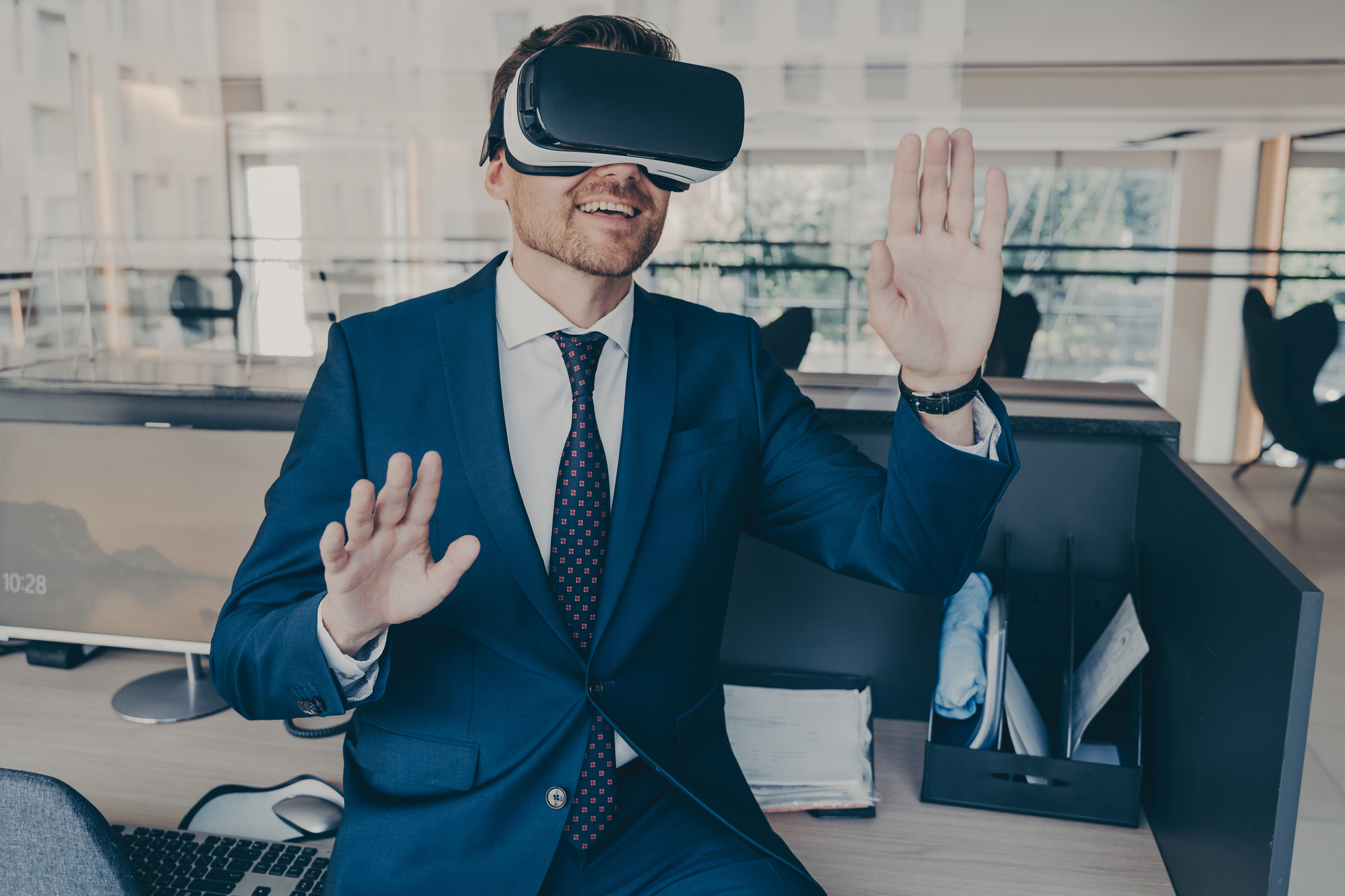
With immersive safety training, workers can now go through risky circumstances without really being in danger. They don’t just read or watch safety guidelines; they follow them.
We utilise VR simulations at XRINK to teach individuals about risks, how to follow the rules, and how to adjust their behaviour so that safety becomes a normal part of their job.
Why Normal Safety Training Isn’t Enough
PowerPoint presentations, 2D movies, and instruction in the classroom are all parts of traditional safety programs. People don’t always get involved when you give them information this way.
When there is a true emergency, workers typically remember procedures without actually comprehending them, and that knowledge doesn’t necessarily help them respond quickly and correctly.
What about the other issue? How much danger you are willing to take. A lot of workers don’t know how dangerous unsafe behaviour can be until something goes wrong and by then it’s too late.
VR safety training is different because it puts learners in real-life circumstances that are controlled, where they feel the pressure, make decisions, and see what happens. In the end, you comprehend things better, remember them better, and react more quickly in real life.
How VR Keeps People Safe
Virtual reality makes interactive, immersive worlds where workers can go through unsafe locations, utilise difficult devices, or deal with fake emergencies without putting themselves in danger.
With XRINK’s immersive VR platforms, businesses can:
- Clean up chemical spills
- Handle electricity at high voltages safely
- Follow Lockout/Tagout (LOTO) restrictions for equipment and tools
- Practice fire evacuation and suppression
- Enter and rescue from confined spaces
- Learn fall prevention and safety at heights
These simulations not only show possible mistakes, but they also let trainees see what happens when they make those mistakes making it more likely that they will change their behaviour.
The Science of Learning by Doing
Not only is VR enjoyable, but studies suggest that it helps people learn more. Researchers have found out that people remember:
- 10% of what they read
- 20% of what they hear
- 90% of what they handle
Immersive training uses experiential memory to help students remember what they learnt for a longer time. They don’t just sit back and listen; they get engaged, mess up, and correct it right away.
With XRINK’s interactive VR training, employees may rehearse difficult jobs as many times as they need to until they get them right — without wasting time or money. People make fewer mistakes at work, learn faster, and the number of accidents goes down because of this consistency.
The Major Good Things About VR Safety Training

1. Finding Dangers in a Way That Makes Sense
Safety walkthroughs that are done the old-fashioned way are not as bad as real-life threats and are not as easy to forecast. In a VR reality, workers can stroll around plant floors, construction sites, or warehouses that seem real and detect and fix probable problems as they go.
This active learning paradigm makes people more aware of their environment, which helps them see warning flags at work more quickly.
2. Not Being Lazy and Following the Rules
A lot of companies think that they have to perform safety training. But just because someone respects the rules doesn’t guarantee they know how to accomplish their job.
With XRINK’s VR safety modules, training is continually happening and evolving. Workers have to deal with safety circumstances that change when new rules or dangers come up on the job. This makes sure that you are not just following the rules, but you are also actually ready.
3. You Learn More When You Fail in a Safe Way
In real life, making mistakes can be quite awful. In VR, they are merely teachings. Trainees can safely witness what happens when they make mistakes such as when a machine breaks down, slips, or misses an alarm. This fail fast, learn faster strategy helps people build their intuition and sense of duty in ways that normal training can’t.
4. Fewer Incidents and Lower Costs
Live training typically breaks up the schedule for production, wastes the instructor’s time, and costs a lot of money for materials or equipment.
With XRINK’s VR-based programs, you may have sessions whenever and wherever you want, even at work. You may reuse modules for new batches when they are created, which makes VR a cost-effective option with a strong return on investment.
5. Training That Is Consistent and Scalable
Learning could not be as consistent if various trainers have varied beliefs about safety regulations. The method is the same in VR no matter where they work, all employees get the same high-quality training based on real-life situations.
XRINK features specialised modules that work in many languages, understand voice commands, and let many people work together. This makes it easy to use anywhere in the globe.
Changing Safety Metrics with VR
Companies that implement immersive safety training are already witnessing substantial changes:
- 43% fewer reportable occurrences in the first year
- New hires learn 70% faster
- 35% more precise steps
- 60% more engagement in safety assessments
These stats demonstrate more than simply how well things are going. They also show that people are starting to think about safety ahead of time.
At XRINK, we’ve seen this transition happen in the oil and gas, construction, energy, and automotive industries. Customers who use our VR safety ecosystems remark that their employees are more responsible and harm themselves less often, which hinders them from working.
Linking Up with Digital Twins and the Internet of Things
Safety is not a separate item; it is part of the larger industrial environment. XRINK’s platform can link to digital twins and IoT systems allowing you to use data from the real world in virtual training situations.
For example:
- If a sensor picks up a lot of gas during VR emergency reaction drills, the same thing can happen.
- If maintenance logs show frequent mistakes, a specific VR module can retrain technicians immediately.
This establishes a closed feedback loop where knowledge from the real world keeps improving training materials ensuring that safety programs are always up to date.
Beyond Compliance: Putting Safety First for Everyone
It’s not about being afraid; it’s about giving folks the tools they need to stay safe. Workers who have practiced risk are more focused, meticulous, and sure of themselves. They don’t merely observe the rules; they realise why they are there.
Instead of merely a training session every three months, safety becomes a part of everyday life with VR. It encourages individuals to talk to each other, take responsibility, and work together all of which are vital for a great safety culture.
The XRINK Edge
XRINK has worked with immersive technology for a long time and knows a lot about how businesses work. Our VR safety training platform has:
- Realistic, site-specific simulations built from CAD or BIM models
- Multi-user training environments for collaborative learning
- Speech-to-text commands for instant instructor feedback
- Dashboards for HR and safety managers to track performance
- IoT and LMS integration for unified training ecosystems
We make each module fit your business’s risks, industry standards, and employee needs ensuring safety training is both interesting and useful.
Experiential Learning: The Future of Safety
The most advanced companies in the world are already moving from reactive to predictive safety management and that change is based on virtual reality.
In the coming years, you can expect:
- AI-powered adaptive simulations that change difficulty based on performance
- Wearable-integrated VR, tracking health and motion simultaneously
- AR overlays linking safety rules in real and virtual environments
XRINK believes the future of workplace safety isn’t just digital it’s immersive, data-driven, and focused on people.
Last Thought
Just putting up signs and rules won’t keep the workplace safe. It needs to be involved, felt, and experienced and Virtual Reality can do all of these things.
VR not only saves time and money it saves lives by enabling workers to see, feel, and react to danger before it happens.
With XRINK’s immersive safety training solutions, businesses can finally close the gap between compliance and confidence gaining an advantage and making safety more than just a chore.