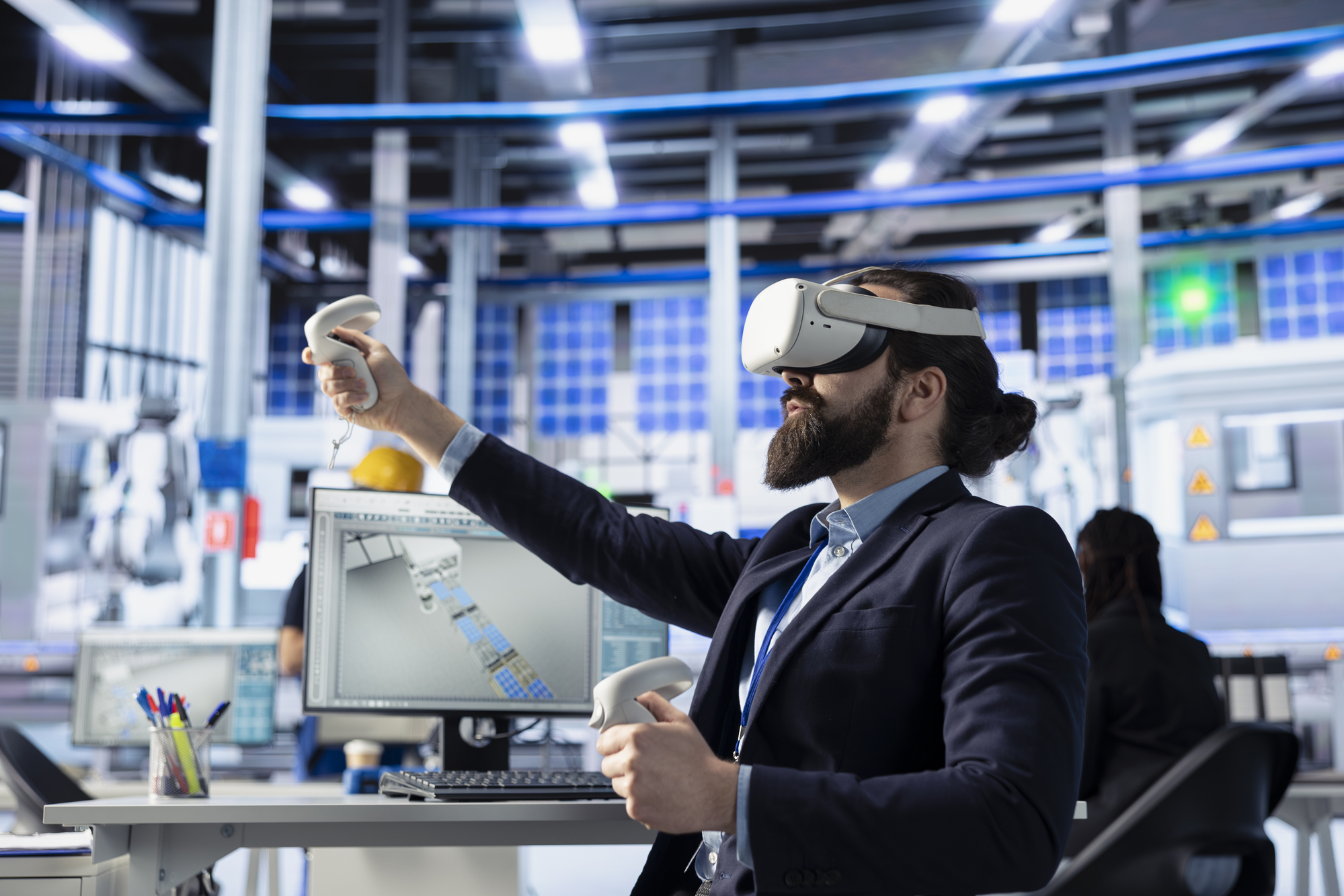
Engineering has always been a team sport. From design to delivery, it demands collaboration between experts spread across disciplines, facilities, and often, continents. But global teamwork has its hurdles — different time zones, disjointed communication, and the limitations of traditional video conferencing.
Now, a powerful transformation is underway. Virtual Reality (VR) is redefining how engineering teams connect, collaborate, and create. Using immersive environments, teams can meet, design, and problem-solve together — as if they were in the same room, even when they’re half a world apart.
At XRINK, we call this the next frontier of immersive engineering collaboration — a leap that bridges the physical and digital divide to accelerate innovation, precision, and teamwork.
The Challenge of Global Engineering Collaboration
Engineering projects today are more complex than ever. A single product might involve multiple design centers, global supply chains, and specialists in mechanical, electrical, and software engineering — all working remotely.
Traditional collaboration tools — email, video calls, CAD screenshots — have limitations. Miscommunication, delayed reviews, and design misunderstandings can slow down development and inflate costs. In industries like aerospace, automotive, or energy, even small delays can have massive financial consequences.
That’s where VR enters the picture, not as a gimmick, but as a practical enabler of real-time, spatial collaboration.
The Rise of Virtual Collaboration in Engineering
VR brings a dimension that flat screens simply can’t offer — presence. It allows engineers, designers, and project managers to enter shared 3D spaces where models are life-size, data is interactive, and communication is natural.
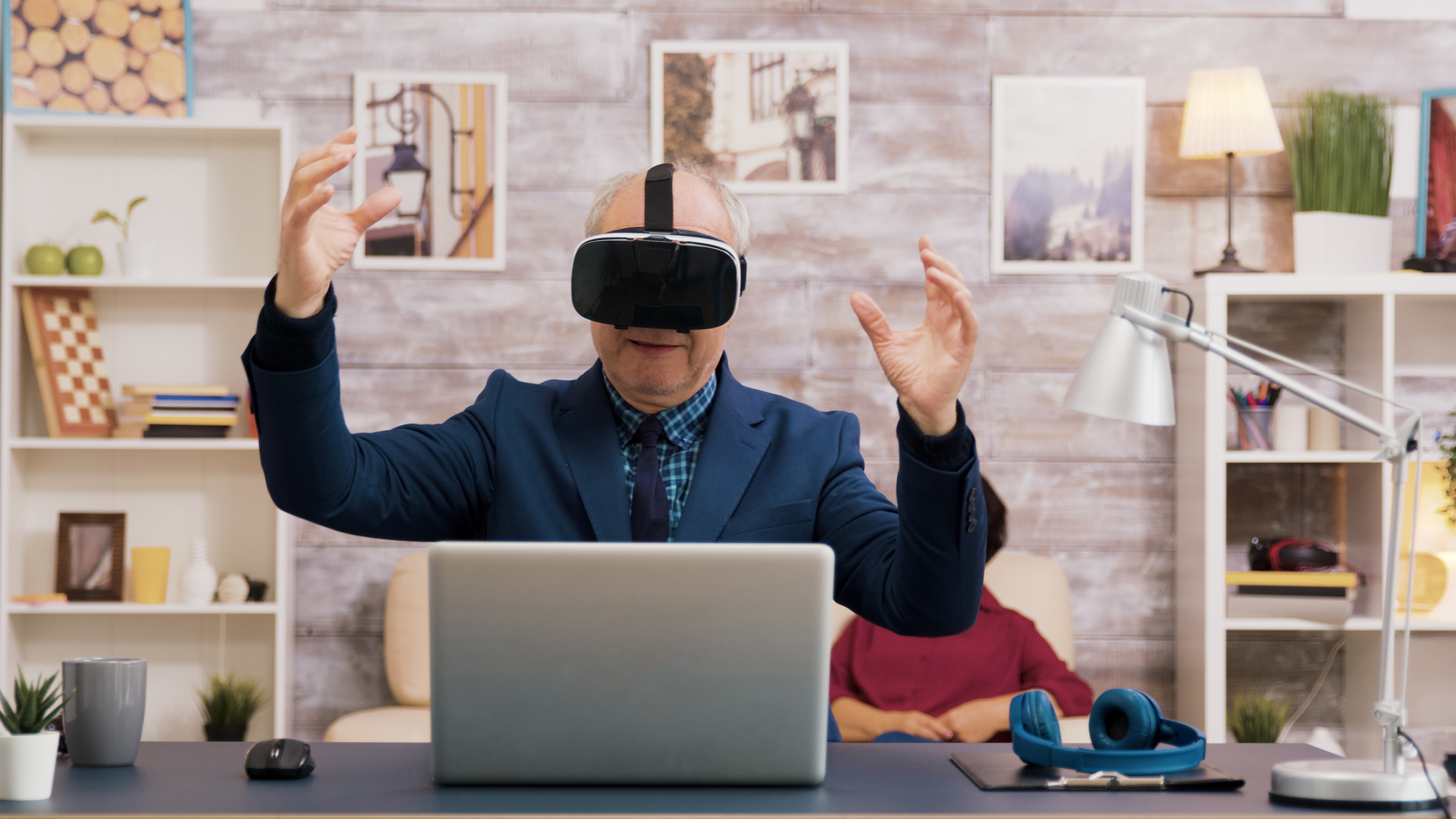
Imagine engineers in Japan, Germany, and India putting on VR headsets and meeting inside a digital twin of an engine prototype. They can walk around the model, point out design flaws, move components, and simulate performance — all while conversing in real time.
With platforms like XRINK’s Immersive Industry XR, this isn’t science fiction; it’s happening today.
Why VR Collaboration Works Better
1. Shared Context, Shared Understanding
In traditional CAD collaboration, everyone views different screens and perspectives. In VR, all participants see and interact with the same model at scale. When one engineer highlights a component or makes a change, others see it immediately — reducing misalignment and rework.
2. Immersive Presence Across Time Zones
Video calls show faces; VR shows presence. Teams experience the same space as if they were physically co-located. Meetings become hands-on design sessions rather than passive discussions, saving days or weeks of back-and-forth review cycles.
3. Natural Communication and Interaction
Gestures, body language, and spatial cues — all critical for engineers — are preserved in VR. Users can annotate directly on objects, resize models, or simulate motion using intuitive hand controls. With XRINK’s voice, chat, and speech-to-text collaboration features, global teamwork becomes fluid and natural.
How XRINK Enables Global Engineering Collaboration
At XRINK, our mission is simple: to make collaboration immersive, intelligent, and effortless. Our VR collaboration suite is designed specifically for engineering and industrial teams that operate across borders and time zones.
Here’s how it transforms the way teams work:
1. Immersive 3D Design Reviews
Instead of static design meetings, engineers can enter a 3D space where they review full-scale models, test design alternatives, and identify ergonomic or mechanical issues before production.
With XRINK’s integration of CAD and PLM systems, models can be imported directly without losing metadata. This ensures that all participants are working with accurate, up-to-date design data.
2. Digital Twin Integration
XRINK supports real-time digital twin visualization, enabling teams to see live performance data from IoT-connected assets. Engineers can monitor operations, analyze trends, and troubleshoot issues collaboratively — even when the physical asset is thousands of kilometers away.
This integration turns VR meetings into decision-making command centers where collaboration and analytics converge.
3. Rapid Prototyping and Simulation
Building physical prototypes for global teams is costly and time-consuming. VR lets engineers test multiple designs virtually, make quick iterations, and validate functionality through simulation.
By linking VR environments with physics-based simulation tools, XRINK helps reduce design validation time and accelerates innovation cycles.
4. Global Workforce Training and Knowledge Sharing
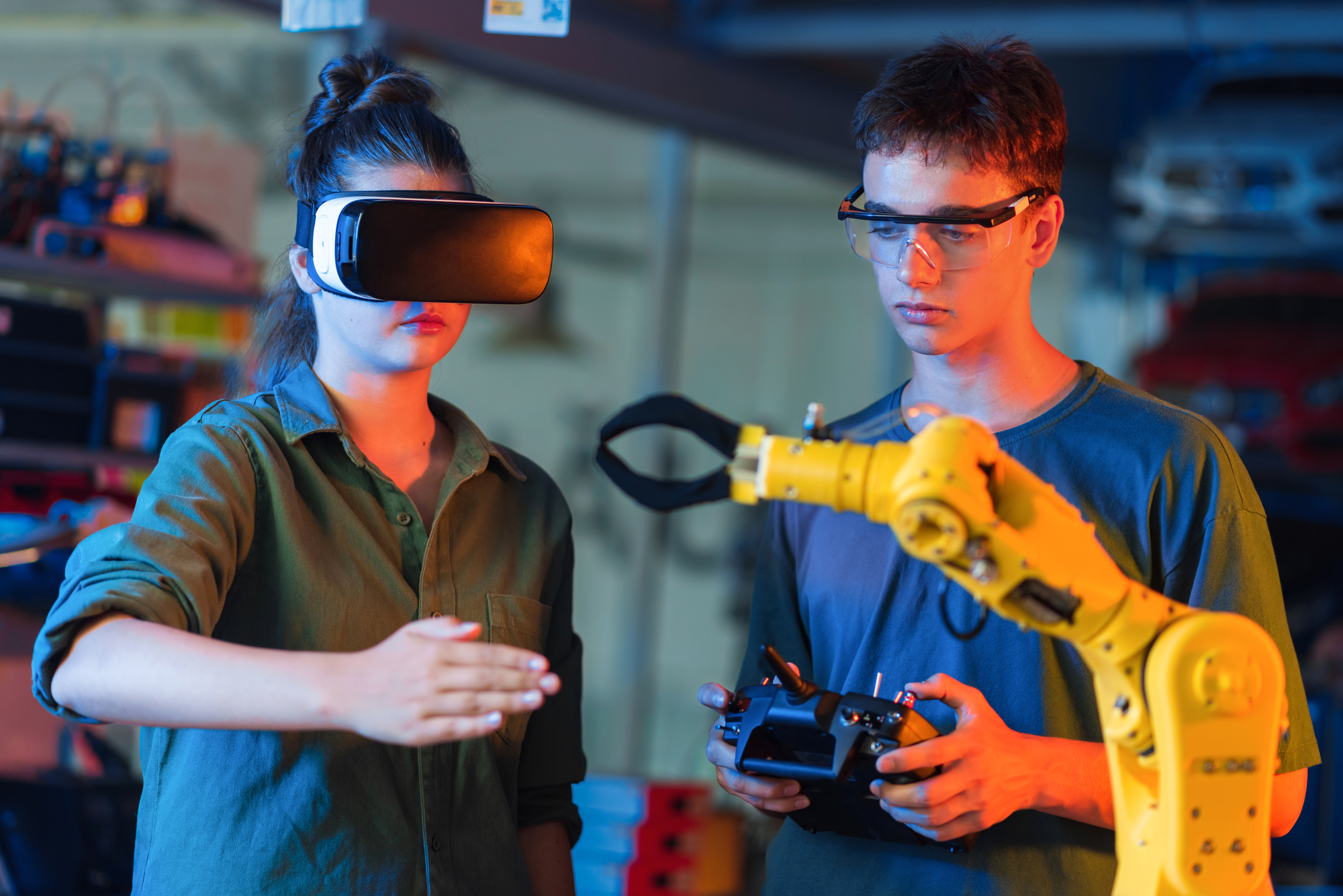
Beyond design collaboration, VR also revolutionizes how teams train and transfer knowledge. Senior engineers can host interactive sessions inside virtual environments, walking trainees through equipment, processes, and assembly procedures.
This is especially powerful for companies with distributed operations — ensuring every location receives the same high-quality, standardized training.
Real-World Scenarios of VR Collaboration
Aerospace Engineering
A multi-national aerospace firm uses XRINK’s collaborative VR environment to co-design aircraft components. Teams from different countries review aerodynamics and material layouts in one shared space, reducing prototype cycles by 25%.
Automotive Design
Car manufacturers leverage VR to hold global design reviews. Engineers can test visibility, ergonomics, and part alignment virtually, avoiding expensive mock-ups and shortening time to market.
Oil & Gas Operations
Energy companies use XRINK to bring remote teams into digital twins of refineries for maintenance planning and hazard simulation, improving safety coordination and cross-team efficiency
Benefits of VR Collaboration for Engineering Teams
- Accelerated Decision-Making – Real-time feedback and visual clarity reduce design iterations and approval bottlenecks.
- Cost Reduction – Minimized travel, fewer prototypes, and optimized resources translate to significant savings.
- Enhanced Innovation – Cross-border brainstorming in immersive environments sparks more creative problem-solving.
- Improved Accuracy – Seeing models in full scale uncovers design flaws that are invisible on 2D screens.
- Better Engagement – Engineers report higher focus and collaboration satisfaction in VR compared to traditional meetings.
Overcoming Adoption Barriers
Scaling VR collaboration across global engineering networks requires planning and integration. The main challenges — hardware readiness, bandwidth requirements, and digital literacy — are now rapidly fading.
XRINK addresses these through:
- Cross-platform compatibility (desktop, headset, and web-based access)
- Optimized network performance for low-latency collaboration
- Enterprise-grade security ensuring IP protection and data privacy
- Scalable deployment models, from pilot projects to global rollouts
The result is a plug-and-play ecosystem ready for enterprise adoption.
The Future: The Industrial Metaverse for Engineering
The next evolution on of global collaboration is what many are calling the Industrial Metaverse — interconnected virtual workspaces where design, production, and operations coexist in real time.
As VR merges with AI, digital twins, and cloud platforms, engineering teams will gain unprecedented levels of insight and control. Imagine walking through a live plant model while AI highlights inefficiencies, or testing a new design while real-world IoT data feeds in simultaneously.
With XRINK’s Immersive Industry XR platform, this vision is already taking shape.