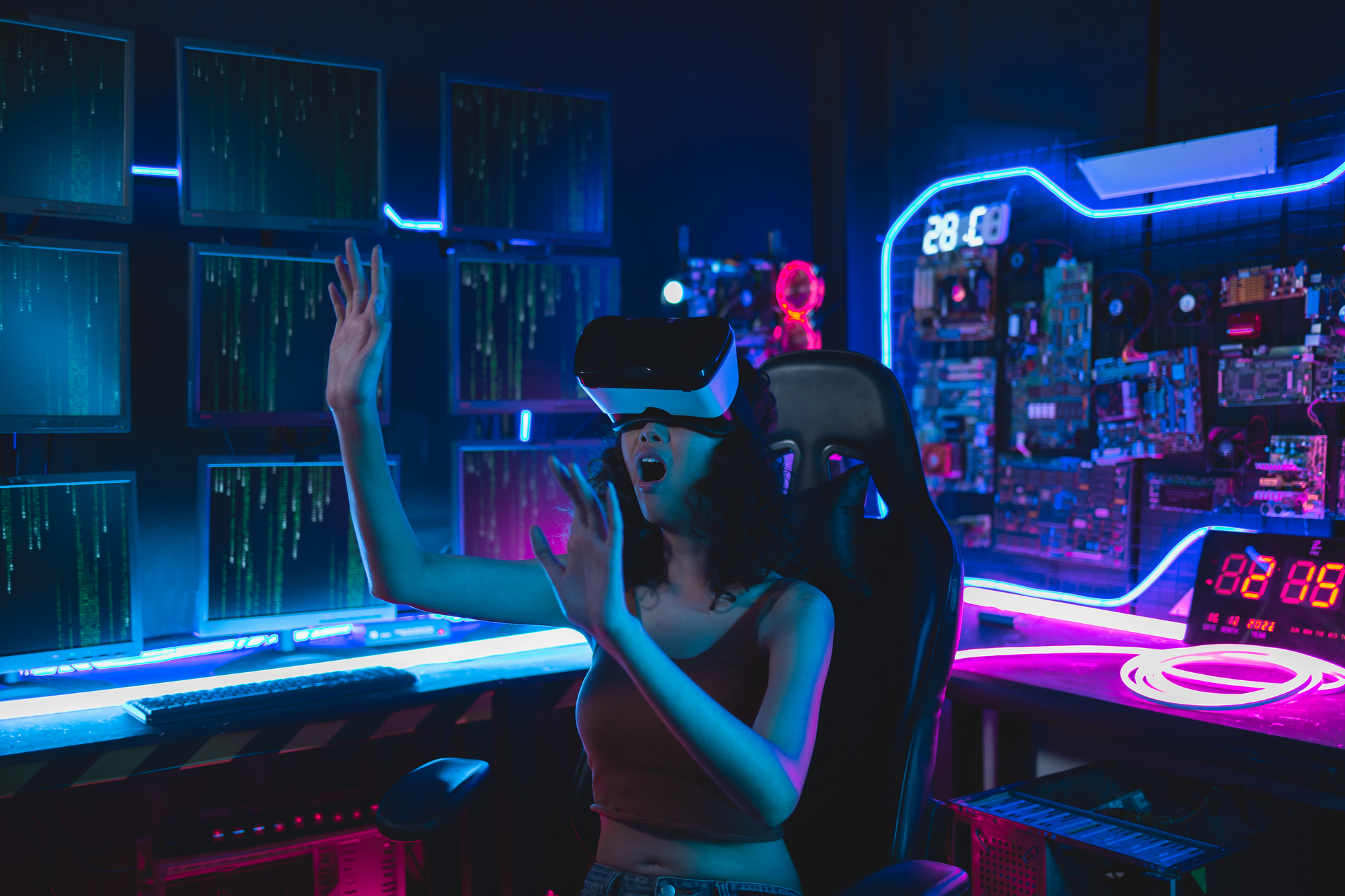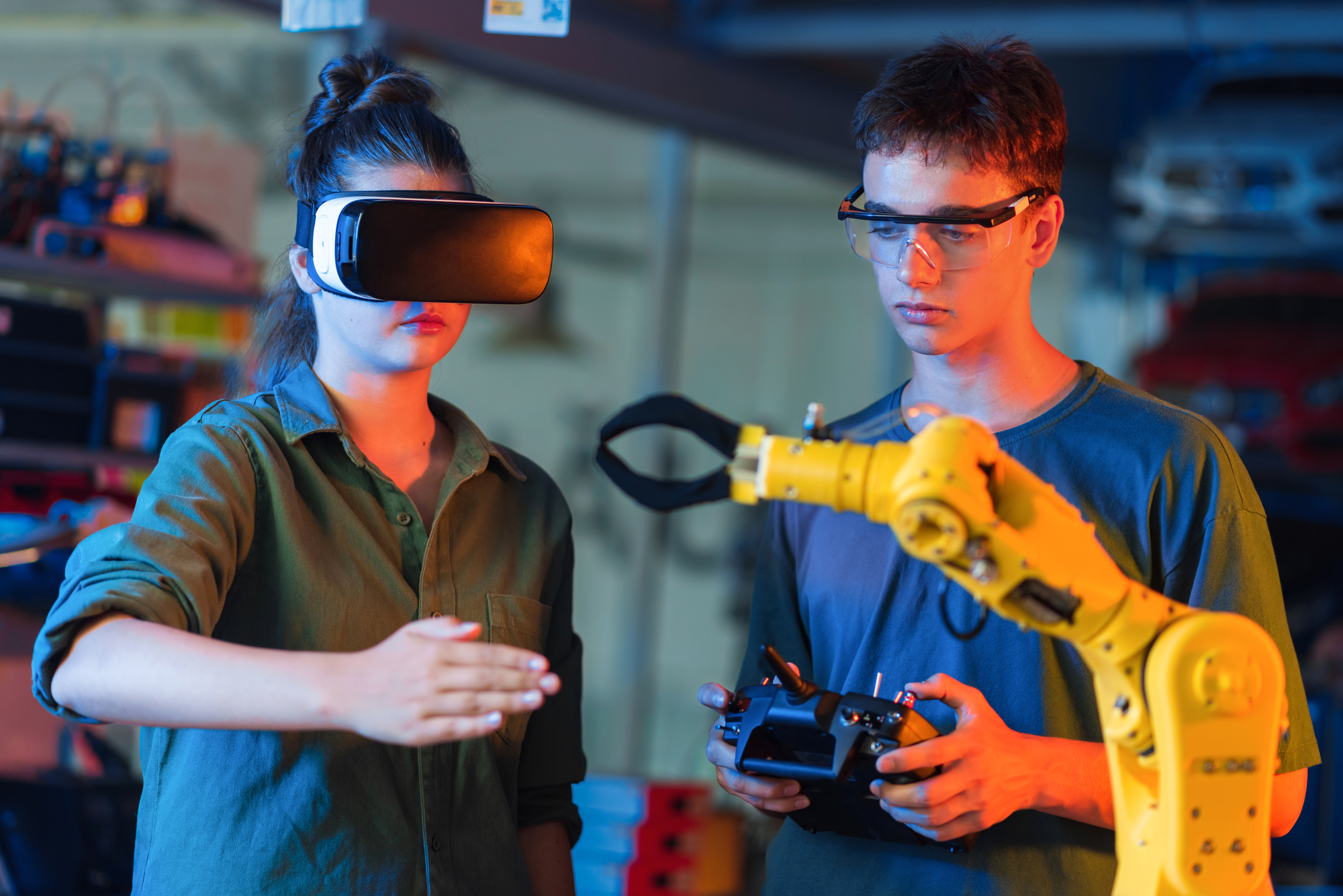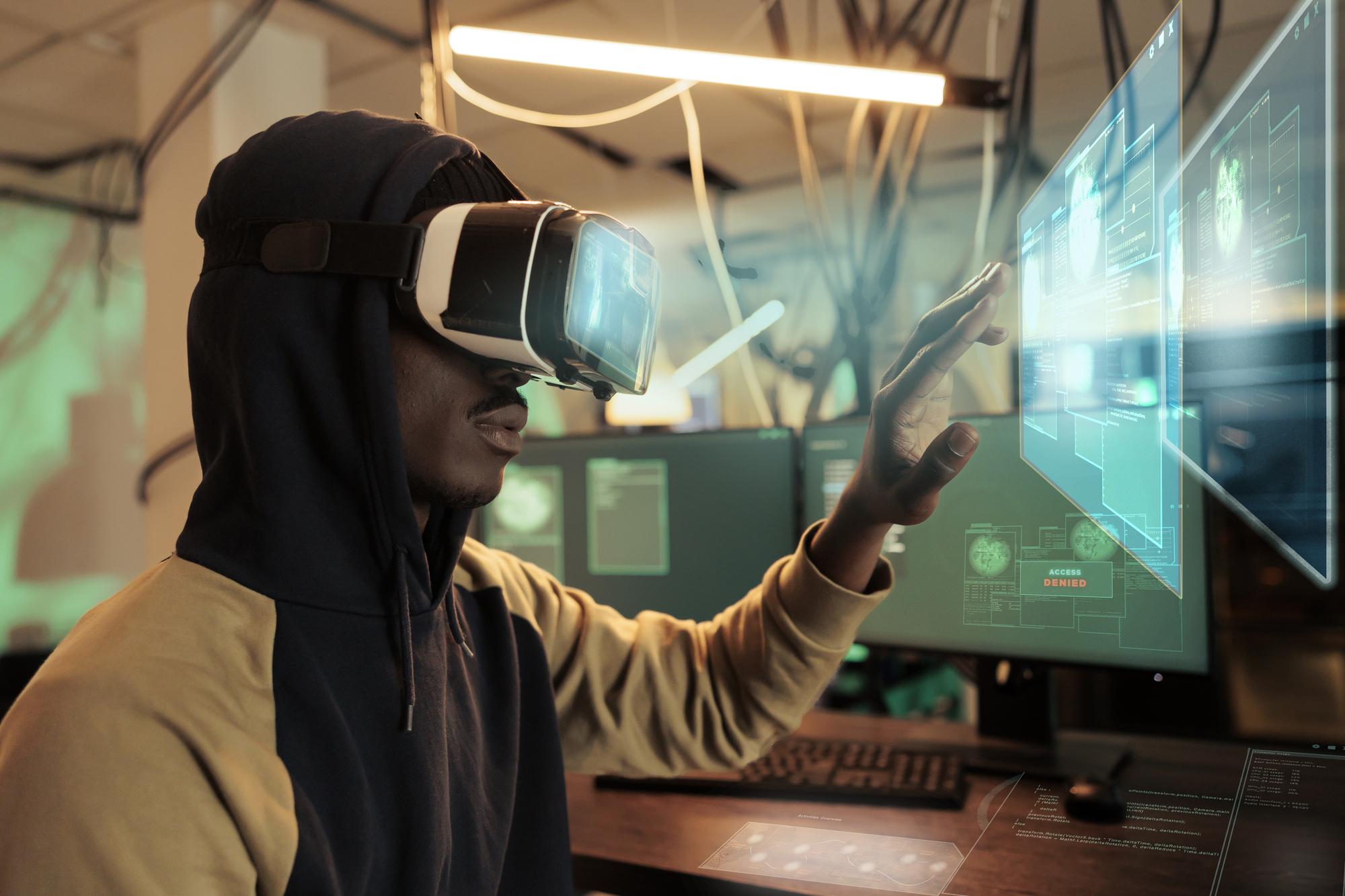
At XRINK, we don’t think of Virtual Reality as something that will happen in the future. We see it as a key connection between the real world and the digital world of business.
In modern production, where downtime costs millions and success depends on accuracy, being able to see things in real time is vital. That’s where digital twins with VR come in helping plant managers, engineers, and executives visualize, simulate, and optimize operations in ways that were never possible before.
What if you could see all your equipment, sensors, and operator activities in a virtual world that’s always up to date and accessible from anywhere?
That’s what VR accomplishes as a digital twin enabler, transforming how plants function from the shop floor to the control room.
What Does “Digital Twin” Mean?
A digital twin is a computer-made copy of something real a machine, a process, or even an entire facility.
It stays accurate by continuously integrating data from IoT sensors, automation systems, and analytics platforms, showing what’s happening on the plant floor in real time.
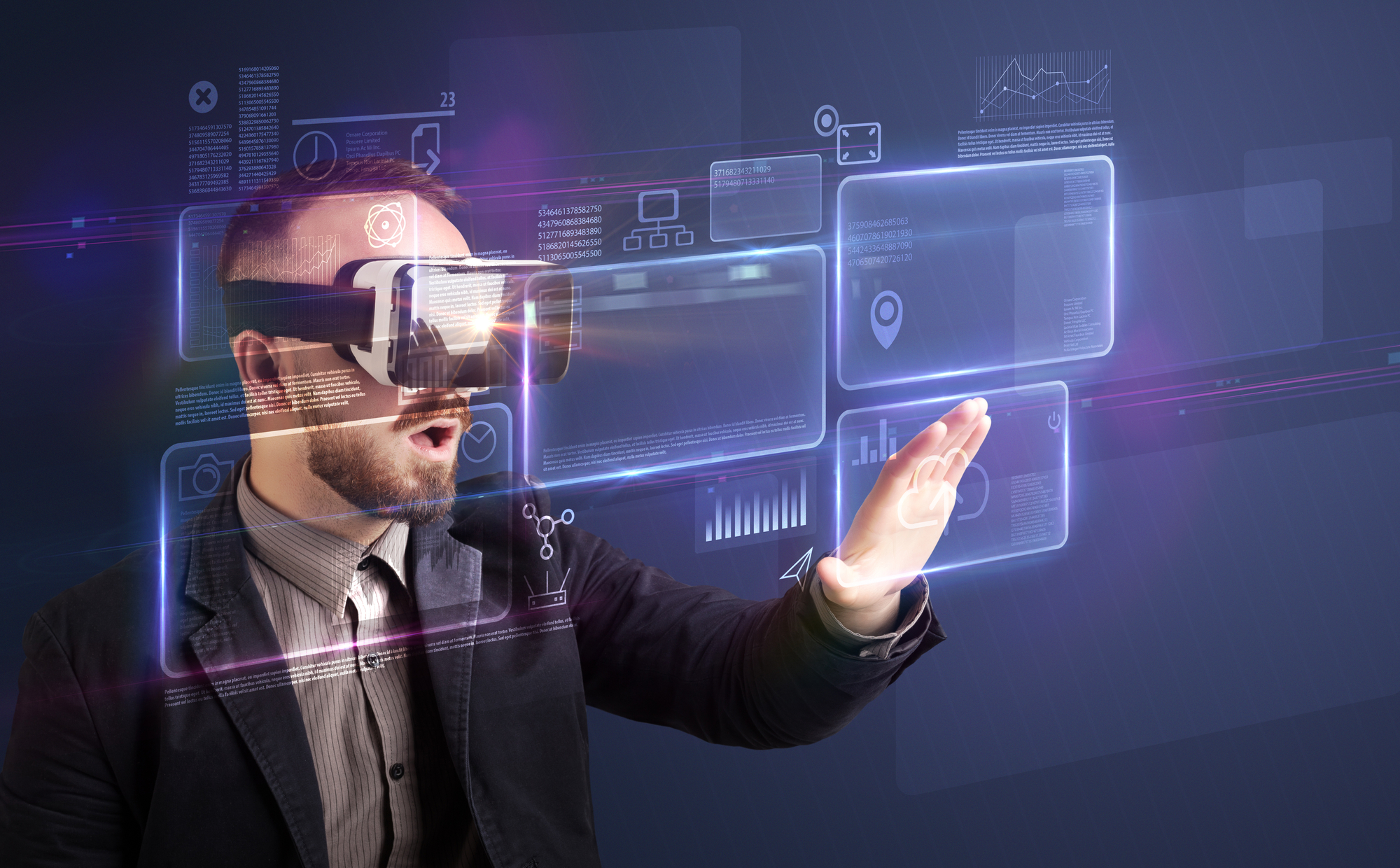
Here’s where Virtual Reality (VR) takes that concept further: instead of just looking at data on dashboards or 2D screens, teams can step inside the virtual plant. They can walk around equipment, see live performance metrics floating in the air, and collaborate with peers thousands of miles away in real time.
In short, VR turns digital twins into real experiences.
IoT and VR: Seeing What’s Happening in Real Time
Every factory already generates enormous amounts of data. Sensors, PLCs, and machines produce millions of data points temperature, vibration, energy use, production rates, and more.
The challenge isn’t the lack of data it’s making sense of it.
That’s where XRINK’s Immersive Industry XR Solutions come in.
We integrate with IoT ecosystems, pulling real-time data streams from plant networks and turning them into intuitive, immersive visualizations within our VR environments.
Imagine this:
- An operator sees the live temperature and pressure of a compressor as 3D overlays in a VR headset.
- Maintenance engineers can teleport to a specific zone before dispatching on-ground teams.
- Supervisors can run what-if simulations, testing process changes virtually before applying them in the real plant.
That’s not just observation that’s understanding in action.
Why VR Is the Missing Piece in the Digital Twin Puzzle
Most digital twins today are just 3D models on screens useful, but limited. VR adds three things that regular visualization tools can’t:
1. Real Spatial Awareness
Users can walk through environments, grasping scale, layout, and interconnections. It’s no longer data about a system it is the system.
2. Collaborative Problem-Solving
Multiple users can enter the same digital twin simultaneously. Engineers across time zones can point, annotate, and troubleshoot together in shared virtual space.
3. Decision-Making Clarity
With intuitive visuals and analytics combined, decision-makers can act faster and with greater confidence under pressure.
For industries like energy, oil & gas, automotive, or heavy manufacturing, this level of immersion provides a competitive edge.
Real-World Impact: From Learning to Action
The combination of VR, IoT, and digital twins has tangible benefits:
- Reduced downtime – Predictive maintenance powered by real-time data catches issues early.
- Faster training – New hires train in realistic VR simulations before setting foot in the plant.
- Improved resource efficiency – Virtual experiments help optimize energy and process flows.
- Enhanced safety – Workers can practice emergency responses in safe virtual environments.
XRINK clients have seen training time cut in half and maintenance costs reduced by up to 30%. That’s measurable efficiency and it scales fast.
Bridging the Real and Digital Worlds
For a VR-powered twin to work flawlessly, the integration has to be seamless:
- IoT Integration: Real-time data from sensors and control systems feed the 3D model.
- Simulation Layer: Physics-based modeling ensures realistic flow, motion, and energy behavior.
- Analytics and AI: Machine learning predicts failures and optimizes performance.
- Immersive Visualization: VR makes interaction natural see it, change it, and decide within it.
This continuous loop connects the production floor to the control room, enabling real-time collaboration across all levels.
The Road Ahead
Industry 4.0 isn’t just about automation it’s about intelligence. The next generation of factories will combine human expertise with real-time insights.
As Immersive Industry XR expands, virtual plant walkthroughs, live diagnostics, and collaborative simulations will become the new normal.
Factories won’t just be smart they’ll be human-smart.
At XRINK, we’re leading this shift, showing businesses how to use VR not just to visualize, but to transform operations.
The Main Point
Digital twins powered by VR aren’t replacing people they’re empowering them.
By merging IoT, real-time data, and immersive visualization, businesses can see, predict, and act faster than ever.
From the plant floor to the control room, XRINK is redefining how organizations see, understand, and improve their reality one immersive environment at a time.