Industrial VR: Changing the Way We Train, Stay Safe, and Get Things Done at Work
At Xrink, we believe that Virtual Reality is no longer just a term; it’s changing the game for organizations that need to be accurate, safe, and efficient. For a long time, the industrial sector has been trying to figure out how to teach people well in sophisticated, high-risk situations without slowing down work or putting anyone in danger. That’s when Industrial VR comes in.
People are learning and working in new ways thanks to immersive simulations. VR creates environments that seem and feel genuine, which helps workers learn, practice, and adapt faster than any other method. What did they discover? Safer workplaces, more employees following the rules, and more employees sticking with the organization.
Training That Works
Reading manuals, going to class, or seeing someone else do the task are all common ways to learn the old-fashioned way. The issue is that people don’t stick with it, and things go awry when theory meets reality.
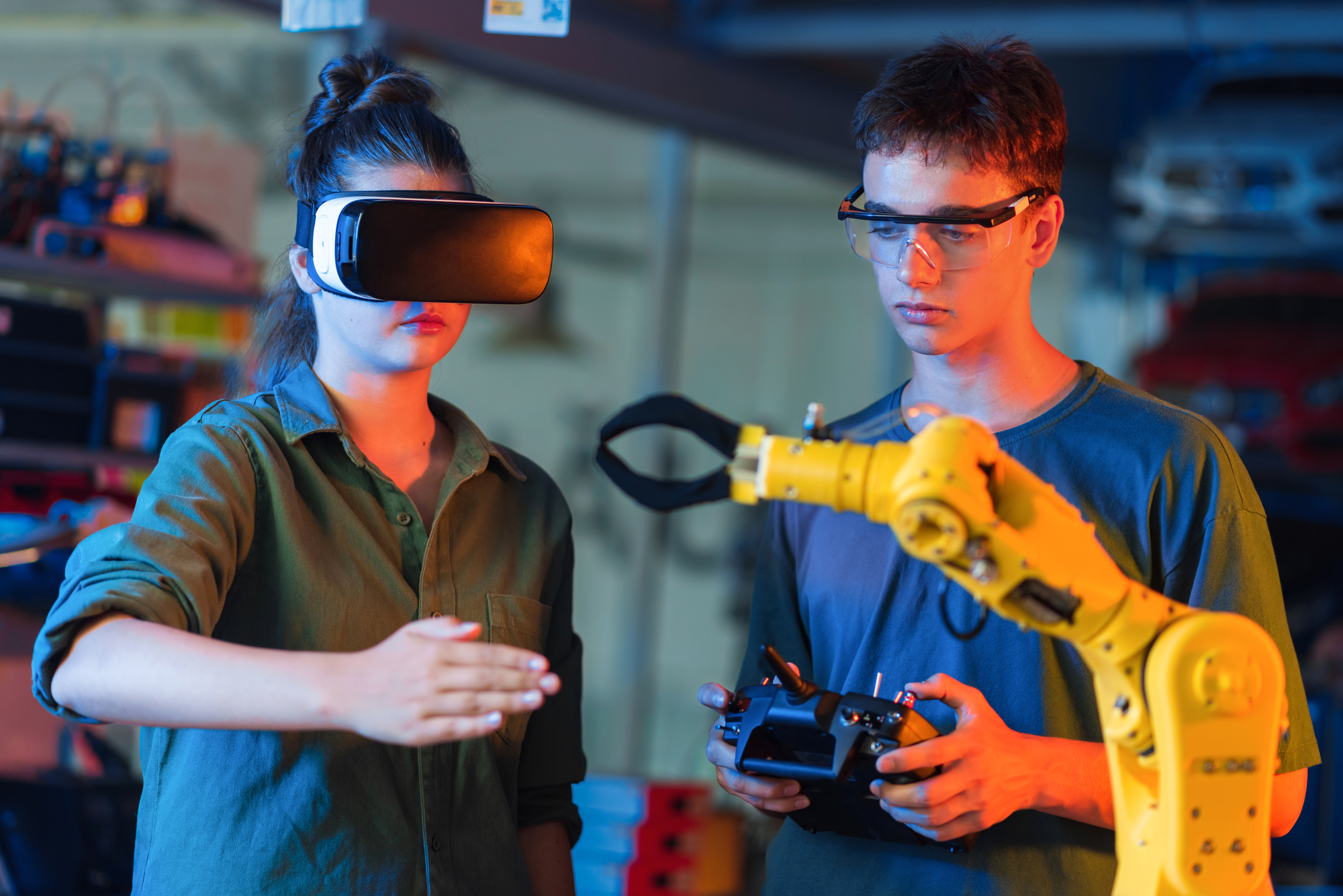
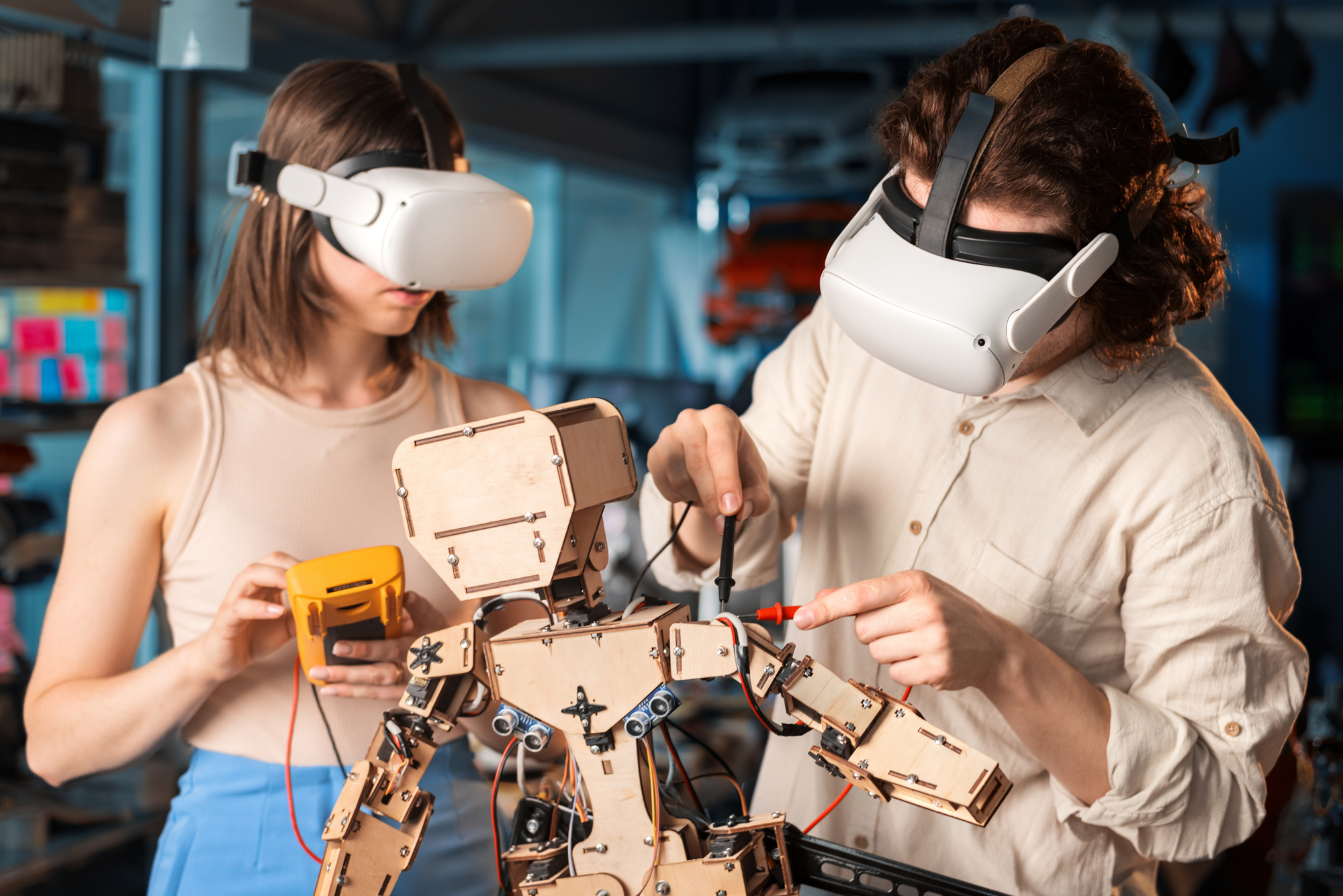
With Xrink’s Industrial VR solutions, workers may go into a digital version of their workplace and practice their jobs until they feel confident in them.
- Learning by doing without the hazards: In a VR simulation, workers may safely utilize machines, handle hazardous materials, or deal with emergencies.
- Faster onboarding: New employees learn by doing, which helps them get up to speed faster.
- Higher retention: Studies suggest that immersive learning can help people recall what they’ve learnt up to 75% better than normal training.
Not only does immersive training teach, it also changes people.
Made New by Safety and Following the Rules
Companies in the oil and gas, construction, energy, and industrial sectors know that mistakes made in safety can kill people and cost millions of dollars in damages. VR is a way to decrease those risks before they happen.
Xrink’s VR modules help workers practice how to handle risky circumstances, like chemical leaks and broken equipment, without placing them in real danger. Workers learn how to recognize risks, obey rules, and do the right thing when things become tough. This isn’t just practice; it’s muscle memory at work.
The point of view of compliance is just as powerful. By recording talks in VR, businesses can see if their workers are following the rules. This makes a record that safety inspectors can look at. That makes compliance more than just a tick; it becomes a measurable result.
Making the Workers More Productive
The efficiency of an industrial setting is often tied to how well-trained and confident the people who work there are. Industrial VR is a great approach to get more work done:
- Less downtime: Workers can train on virtual equipment instead of taking real machines offline.
- Consistency at scale: All employees get the same high-quality training, no matter where they work.
- Continuous upskilling: VR modules may be quickly updated as processes and technologies evolve, which keeps the workforce adaptable.
What took place? A workforce that learns quickly, makes fewer mistakes, and is more flexible.
Why Xrink is in Control
We at Xrink make XR and Industrial Metaverse experiences that are meant to help people in the real world. We don’t merely buy Industrial VR systems that are already made. We gather feedback from engineers, safety officers, and those who operate on the front lines. That means that every simulation is useful, realistic, and relevant straight away.
Xrink helps companies get an edge over their competitors by making training more effective, whether it’s on a factory floor, an offshore oil rig, or a high-voltage energy grid.
What VR Will Be Like in the Future
We’re just starting to understand how VR can help businesses. As hardware gets lighter and cheaper and AI improves simulations by incorporating adaptive learning, VR will become the standard for training and workforce development.
Companies who want to stay ahead of the game don’t question, “Should we use VR?” They want to know, “When can we use it?” With leaders like Xrink at the forefront, Industrial VR will alter how people learn, work, and stay safe.
Last Thought
Industrial VR is more than just a new gadget; it’s a new way for businesses to teach their employees. By combining immersive learning with measurable results, it is altering safety, compliance, and productivity on a large scale.
At Xrink, we picture a world where no one walks into a dangerous job without being ready, no company has problems with training that doesn’t function, and safety isn’t just a goal it’s a commitment.